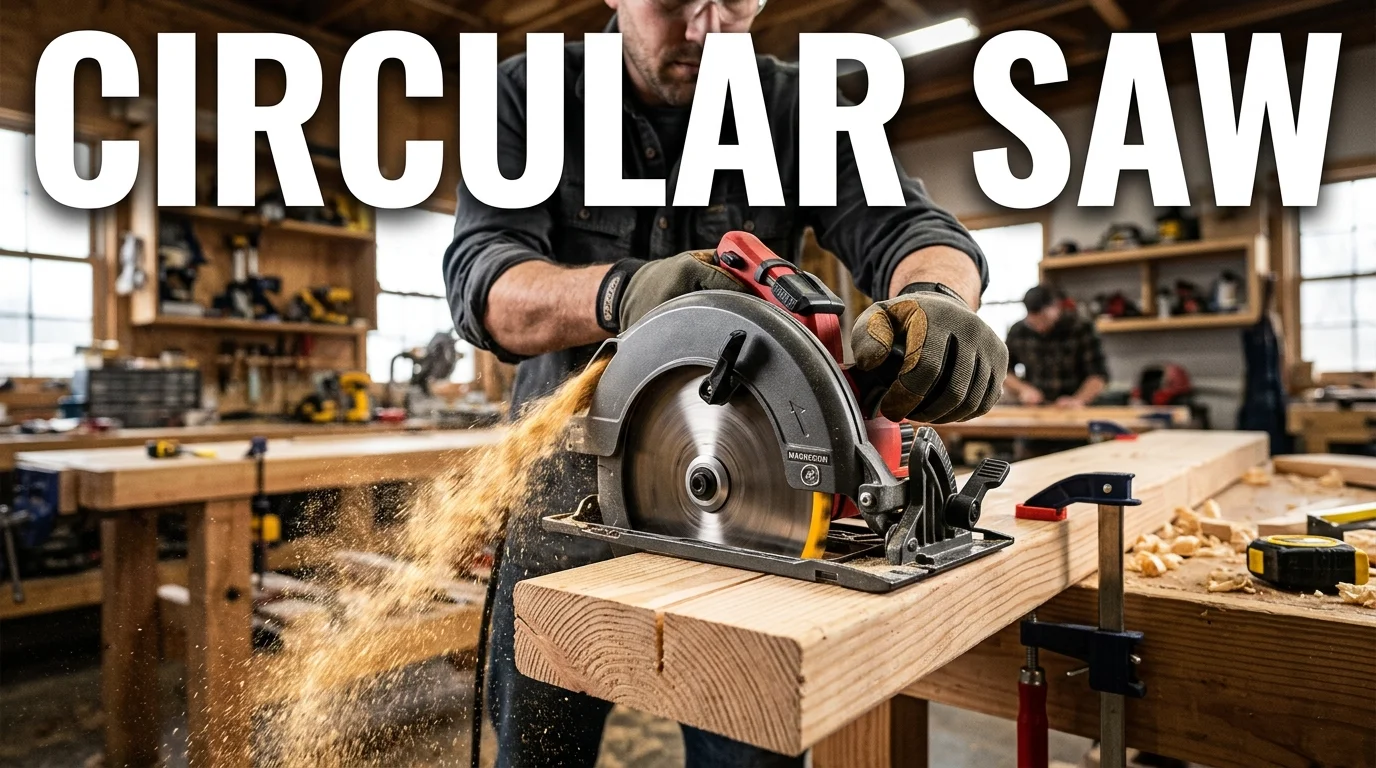
A circular saw is a practical choice for making fast, straight cuts through timber, sheet materials, and many types of board used in home projects. Current UK listings range from roughly £36 for entry-level corded machines to more than £300 for premium cordless bare tools. Matching the tool to the job therefore matters more than buying on price alone. You might also like Multitool UK.
Quick answer: If you want a single saw for typical UK DIY projects, start with a 165mm or 185mm model. Choose a corded model for a lower purchase price and longer cutting sessions. Choose a cordless model if mobility matters and you already own compatible batteries. Check the maximum cutting depth, blade availability, dust extraction, guard action, and what comes in the box.
| Buying question | Practical starting point |
|---|---|
| Best all-round size for DIY | 165mm to 185mm |
| Lowest purchase cost | Corded model |
| Best for moving around a project | Cordless model |
| Cutting sheet material | Saw with guide compatibility or an edge guide |
| Cutting thicker timber | Check maximum depth, not blade diameter alone |
| Cleaner timber cuts | Finer-tooth blade suited to the material |
| Main hidden cost | Batteries and charger for bare cordless tools |
If your project is part of a wider renovation, Thinkvista’s Home Improvement section has related planning and design ideas.
Circular Saw Types: Which One Should You Buy?
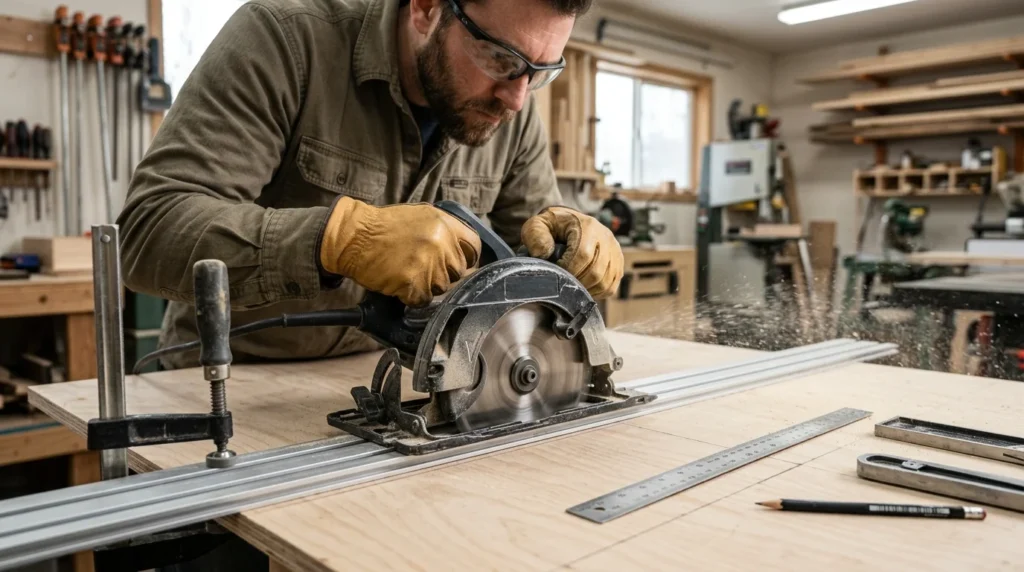
The first decisions are the power source and size. UK retailers currently stock compact machines, standard corded models, cordless tools, and track-compatible designs across a wide price range.
| Type | Main advantage | Main drawback | Best suited to |
| Corded | Continuous power and lower entry cost | Cable limits movement | Workshops and longer sessions |
| Cordless | Easy to move around the house or garden | Batteries increase total cost | General DIY and site work |
| Compact/mini | Lighter and easier to control | Shallower cutting capacity | Thin boards and smaller jobs |
| Track-compatible | Easier long, straight cuts through sheet materials | Higher tool or accessory cost | Plywood, worktops, and panels |
Corded models
A corded machine makes sense if most of your work takes place near a power socket. You avoid charging breaks, and entry-level prices can be much lower.
At the time of research, Screwfix listed a 165mm Titan corded model at £35.97. Evolution listed several 185mm corded options for about £70 to £75. Prices and stock can change, so check the retailer’s current listing before buying.
Cordless models
Cordless tools are convenient when you’re cutting outdoors, moving between rooms, or working where a power lead would be awkward. They also make sense if you already own batteries from the same tool platform.
Check the listing carefully. Many professional models are sold as bare tools, which means the battery and charger are not included. Current Screwfix listings show this format for several DeWalt, Makita, and Milwaukee models.
Compact and mini saws
A smaller machine can be easier to handle when cutting thin sheet materials or working in confined spaces. The trade-off is a shallower cutting depth.
For example, Screwfix currently lists an 85mm mini model with a maximum cutting depth of 27mm. That is enough for many thin boards, but it is not a substitute for a full-size tool when cutting structural timber.
What Blade Size Do You Need?
Blade diameter gives you a useful indication of cutting capacity, but maximum cutting depth is the specification that matters most.
Many current 165mm tools cut to a depth of roughly 53mm to 57mm at 90 degrees. Several 185mm to 190mm machines reach around 64mm to 66mm. Individual models vary, and bevel cuts reduce the available cutting depth.
That makes 165mm a sensible size for many home projects. A larger tool becomes more useful if you regularly cut thicker framing timber or need greater depth in a single pass.
Before ordering, compare:
- Maximum cutting depth at 90 degrees.
- Maximum cutting depth at a 45-degree bevel.
- Blade diameter.
- Blade bore size.
- Maximum permitted blade speed.
- Replacement blade availability.
Don’t assume that two tools with the same blade diameter have identical cutting capacities. Differences in base design and motor layout can change the usable depth.
How to Choose the Right Blade
The blade has a major effect on cutting speed and finish quality. A powerful motor paired with the wrong blade can still produce rough edges.
As a general rule, blades with fewer teeth remove material faster and are better suited to rough ripping work. Blades with higher tooth counts tend to provide a cleaner finish across timber and sheet products. Dedicated blades are also available for materials such as metal, plastic, and masonry.
Always match the replacement blade to the tool manufacturer’s requirements for diameter, bore size, speed, and intended material.
For common DIY work:
| Job | Blade approach |
| Fast cuts in construction timber | Coarser wood blade |
| Cleaner crosscuts | Finer-tooth wood blade |
| Plywood or veneered board | Fine-finish blade |
| Metal | Dedicated metal-cutting blade and compatible tool |
| Mixed materials | Manufacturer-approved multi-material blade |
If you’re planning cabinet changes or cutting panels for a renovation, Thinkvista’s guide to small kitchen ideas can help you plan the wider layout before measuring materials.
What Should You Expect to Pay in the UK?
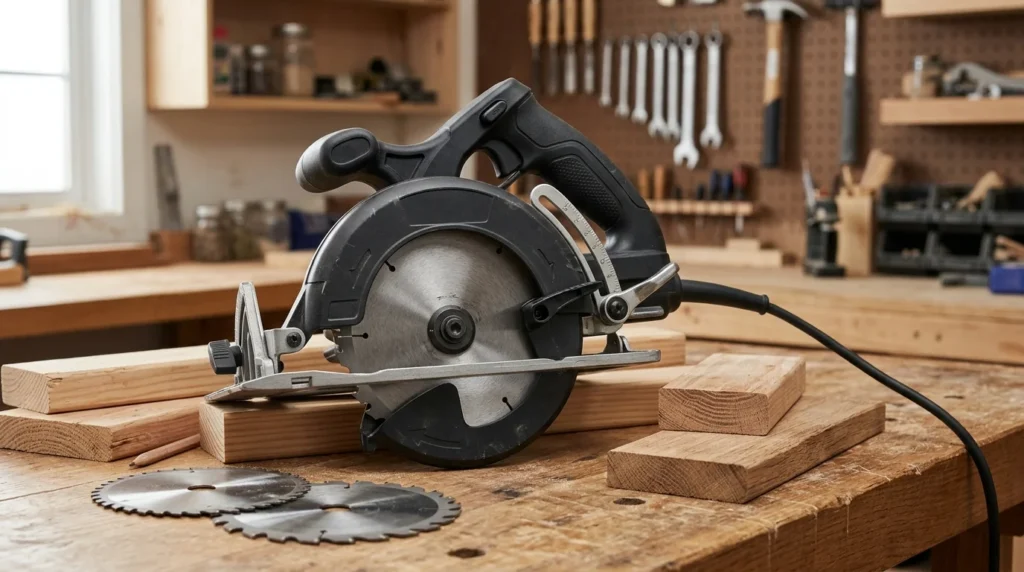
The price depends on blade size, motor type, battery platform, and what the package includes.
Current listings show the range of the market. Basic corded options can cost less than £50. Mid-range corded models are often priced between £60 and £100. Cordless bare tools commonly cost more than £100, while premium brushless machines can exceed £300.
A lower tool price does not always mean a lower final cost. Check whether you also need:
- A battery.
- A charger.
- A replacement or finishing blade.
- A guide rail.
- Clamps.
- A dust-extraction adaptor.
- A carrying case.
A £110 bare tool can cost more than a £160 kit once you add a battery and charger.
Buying tip: Compare the total price of the setup you need, not just the headline price of the tool.
Which Features Are Worth Paying For?
Some features affect day-to-day use more than headline wattage or motor speed.
Reliable lower guard
The moving guard should retract freely during the cut and return over the blade afterward. Never disable it or tie it back.
Clear cutting-depth adjustment
A simple depth lock makes setup faster. Set the blade only as deep as necessary for the material, and follow the manufacturer’s operating instructions.
Bevel adjustment
A bevel facility allows you to make angled cuts for trim, framing, and furniture work. Check the model’s maximum bevel angle and its cutting depth at that setting.
Dust extraction
A dust port is useful for indoor work and when cutting sheet materials. HSE guidance stresses the importance of controlling wood dust at its source. Its construction guidance also notes that respiratory protection may be required during longer cutting periods, especially in enclosed areas.
Guide compatibility
A straight-edge guide or track can make long cuts across plywood and other boards much easier to control. This feature is especially useful when accuracy matters more than cutting speed.
Safety Checks Before You Start Cutting
Power saws require careful setup. Support the workpiece so that the offcut can move freely without trapping the blade. Keep your hands clear of the cutting line, and allow the motor to reach its operating speed before the blade enters the material.
Before each job:
- Check the blade for damage or missing teeth.
- Confirm that the blade is suitable for the material.
- Make sure the guard moves freely and returns correctly.
- Support and clamp the workpiece where necessary.
- Keep cables away from the cutting path.
- Connect suitable dust extraction where possible.
- Remove the battery or unplug the tool before changing the blade.
HSE woodworking guidance highlights guarding, correct tooling, training, and dust control as core safety measures when working with sawing equipment.
If you’re building or altering furniture, plan the finished dimensions before cutting expensive materials. Thinkvista’s statement furniture guide covers scale and proportion, while its statement bed guide discusses room dimensions and practical material choices.
A Simple Buying Decision for Most DIYers
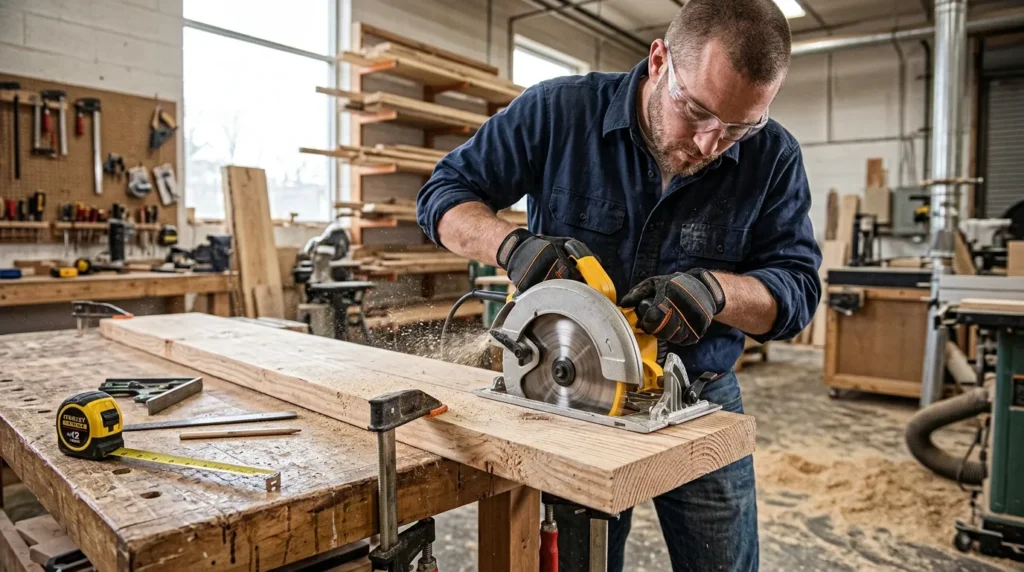
For occasional indoor DIY projects, a good corded 165mm or 185mm machine usually gives you the most cutting capacity for your money.
For regular renovation work, a cordless model makes more sense if you already own compatible batteries. Staying within the same battery platform can save a significant amount of money when buying several tools.
For long cuts through sheet materials, prioritise guide compatibility and a stable base plate. For thicker construction timber, focus on maximum cutting depth.
Our recommendation: Choose the smallest and lightest tool that can still cut your usual materials in a single pass. Paying for extra size and weight provides little benefit if you rarely need the additional capacity.
Check These Seven Things Before You Buy
Before placing an order, confirm the blade size, maximum cutting depth, power source, total kit price, replacement blade availability, dust-extraction connection, and guide compatibility.
Then check current UK stock and review the package contents one final time. If you’re buying a cordless model, confirm whether the battery and charger are included. Buy the model that can safely handle the materials you normally use without paying for capacity you won’t need.
Frequently Asked Questions
For many projects, yes. Current 165mm models commonly offer maximum cutting depths in the mid-50mm range. Check the specifications of the individual tool against the thickness of the timber you plan to cut.
A corded model suits buyers who want a lower purchase price and uninterrupted use. A cordless model is easier to move around and can provide better value if you already own compatible batteries.
Entry-level corded machines can cost less than £50, while mainstream cordless bare tools often cost more than £100. Premium professional options can reach £300 or more. Check current prices because promotions and stock levels change.
Use a blade designed to produce a clean finish in sheet materials. A finer tooth pattern generally produces a cleaner edge than a coarse ripping blade. Check the blade manufacturer’s material guidance before use.
Yes, provided the user understands the controls, keeps the guards working correctly, supports the material properly, and follows the manufacturer’s safety instructions. Start with straightforward, well-supported cuts rather than difficult freehand work.