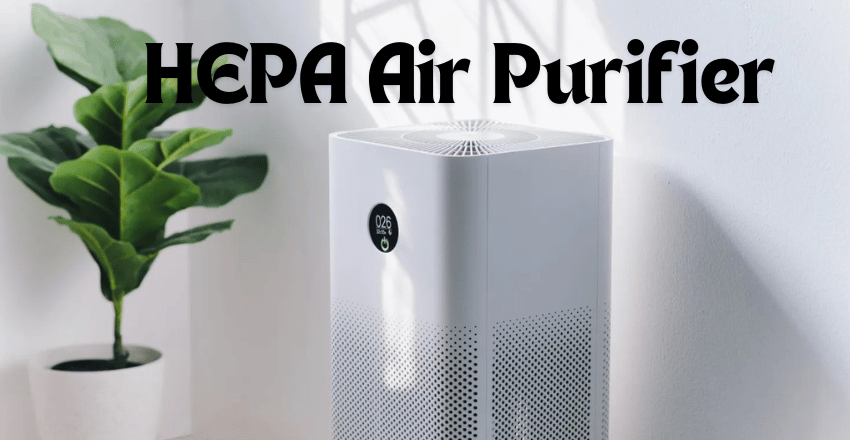
Indoor air pollution is a growing concern in modern homes and workplaces. From dust and allergens to smoke and volatile organic compounds (VOCs), airborne particles can affect respiratory health and overall well-being.
One of the most effective solutions to improve indoor air quality is a HEPA air purifier. These devices are designed to remove microscopic particles from the air, providing a cleaner, safer, and more comfortable environment. This comprehensive guide covers everything about HEPA air purifiers, from technology and benefits to maintenance, types, and tips for selecting the right unit.
Regular maintenance, such as cleaning pre-filters and timely replacement of HEPA and carbon filters, ensures the device continues to perform optimally. By reducing allergens, neutralizing odors, and even lowering exposure to certain airborne pathogens, HEPA air purifiers provide a practical, reliable, and effective solution.
| Category | Details / Key Points |
| What It Is | HEPA purifier traps tiny particles (dust, pollen, smoke, pet dander). |
| How It Works | Multi-stage: pre-filter, HEPA filter, optional carbon filter, fan circulation. |
| Key Benefits | Allergy relief, odor elimination, better sleep, cleaner air, and health improvement. |
| Types | Portable, whole-house, car, and smart Wi-Fi-enabled units. |
| Features | CADR, filter lifespan, noise level, energy efficiency, and smart controls. |
| Maintenance | Replace filters, clean pre-filters, wipe vents, and check fan operation. |
| Ideal Locations | Bedrooms, living rooms, kitchens, offices, hospitals, vehicles. |
| Advanced Features | Ionizers, UV-C light, smart sensors for auto-adjustment. |
| Misconceptions | Doesn’t remove all germs, bigger ≠ better, requires regular maintenance. |
| Selection Tips | Room size, allergy/smoke needs, portability, noise, and budget. |
| Air Quality Monitoring | Some units detect air quality and adjust purification automatically. |
| Portability | Lightweight and compact models can be moved between rooms easily. |
| Energy Usage | Modern HEPA purifiers are energy-efficient for continuous use. |
What is a HEPA Air Purifier?
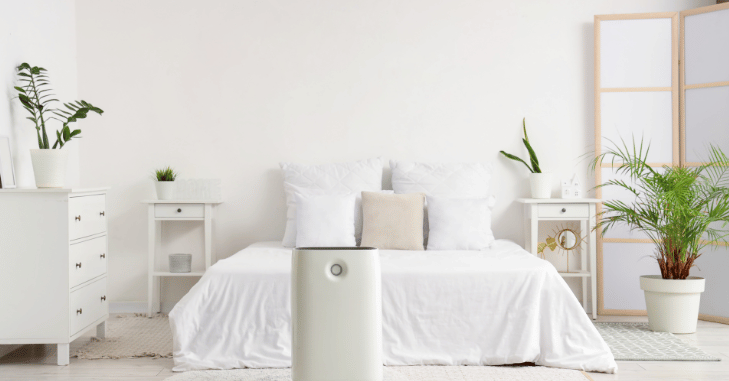
A HEPA air purifier is an advanced air-cleaning device designed to significantly improve indoor air quality by capturing even the smallest airborne particles. Unlike standard filters, HEPA (High-Efficiency Particulate Air) technology can trap particles as tiny as 0.3 microns, including dust, pollen, pet dander, mold spores, smoke, and certain bacteria and viruses.
These purifiers typically employ a multi-stage filtration system, often combining a pre-filter for larger debris, a true HEPA filter for microscopic pollutants, and sometimes an activated carbon filter to absorb odors and harmful chemical fumes.
The result is cleaner, fresher air that benefits not only allergy and asthma sufferers but also anyone seeking a healthier living environment. Modern HEPA purifiers come in a variety of forms, from portable units for bedrooms and offices to whole-house systems integrated into HVAC setups, as well as smart models with air-quality sensors and automated controls.
How HEPA Air Purifiers Work?
HEPA purifiers typically use a multi-stage filtration process:
- Pre-Filter: Captures larger particles such as dust, hair, and debris, protecting the HEPA filter from clogging.
- HEPA Filter: Traps microscopic pollutants like pollen, fine dust, smoke, and some bacteria.
- Activated Carbon Filter (Optional): Absorbs odors, chemical fumes, and VOCs, enhancing air freshness.
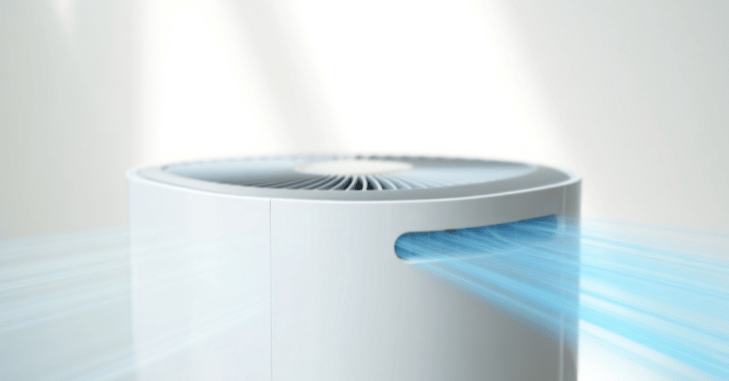
- Fan System: Draws polluted air into the device and pushes purified air back into the room for circulation.
Key Benefits of Using a HEPA Air Purifier
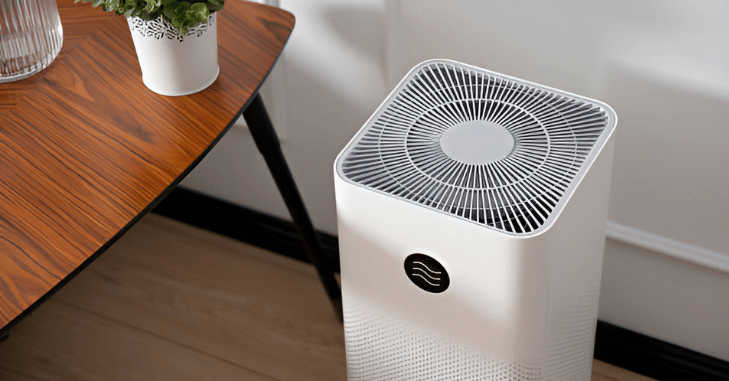
| Benefit | Description |
| Allergy and Asthma Relief | Effectively reduces allergens such as pollen, dust mites, and pet dander, providing relief to allergy and asthma sufferers. |
| Odor Elimination | Purifiers with activated carbon filters neutralize smoke, cooking odors, and chemical smells, keeping indoor spaces fresh. |
| Cleaner Air for Sleep | Reduces nighttime allergens and dust, improving sleep quality and making bedrooms more comfortable. |
| Protection Against Airborne Illness | HEPA filters trap some bacteria and viruses, lowering the risk of airborne infections, though not a replacement for medical hygiene. |
| Improved General Health | Regular use decreases exposure to harmful particles and pollutants, promoting respiratory health and overall wellness. |
Types of HEPA Air Purifiers
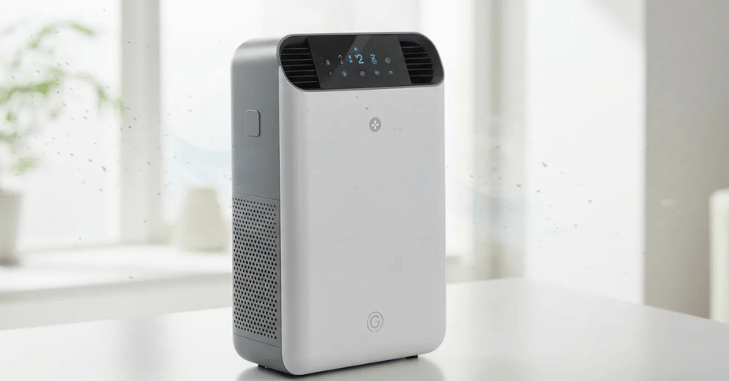
1. Portable HEPA Purifiers
Portable HEPA purifiers are compact, lightweight units designed for bedrooms, offices, or small living spaces. Their small size makes them easy to move from room to room, allowing you to target specific areas where clean air is needed most.
2. Whole-House HEPA Systems
Whole-house HEPA systems are integrated directly into your HVAC system to provide consistent air purification throughout an entire home. These systems are ideal for larger spaces or households with multiple rooms, as they clean the air in every corner without the need for multiple standalone units. We break this down further in Air Purifier UK.
3. Car HEPA Purifiers
Car HEPA purifiers are specifically designed to fit inside vehicle cabins, where air circulation is limited, and pollutants can accumulate quickly. These units filter out dust, pollen, smoke, and other allergens while driving, improving air quality during commutes or long trips.
4. Smart HEPA Purifiers
Smart HEPA purifiers combine high-efficiency filtration with modern technology, offering features like Wi-Fi connectivity, air quality sensors, and app-based control. These devices can automatically monitor indoor air quality and adjust fan speed accordingly, ensuring optimal purification while conserving energy.
Features to Look for in a HEPA Air Purifier
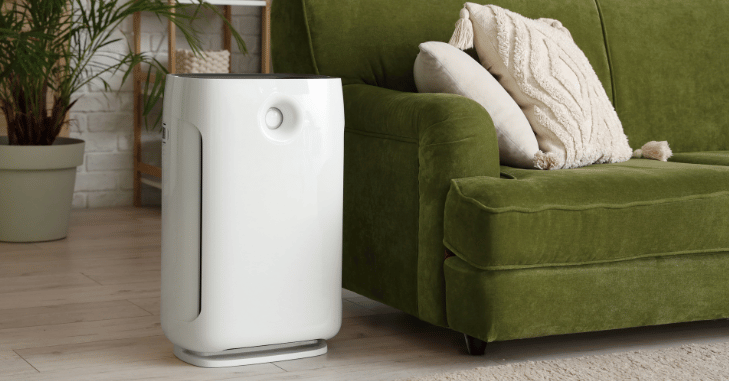
- CADR (Clean Air Delivery Rate): Indicates how efficiently the purifier cleans air in a specific room. Higher CADR = faster purification.
- Filter Lifespan: HEPA filters typically last 6–12 months, while carbon filters may require more frequent replacement.
- Noise Level: Look for quiet operation if the purifier will be used in bedrooms or offices.
- Energy Efficiency: Many modern purifiers are low-energy and can run continuously without high electricity costs.
- Additional Features: Smart controls, timers, fan speed settings, and air quality indicators for enhanced convenience.
Maintenance Tips for HEPA Air Purifiers
Proper maintenance is essential to keep a HEPA air purifier working efficiently. Regular filter replacement is crucial, so always follow the manufacturer’s instructions to replace HEPA and carbon filters on time.
Additionally, washable pre-filters should be cleaned every few weeks to prevent dust buildup and maintain optimal airflow. It’s also important to wipe down the exterior of the unit regularly, especially around the air intake and output vents, to keep dust from accumulating.
Where to Use a HEPA Air Purifier?
| Location | Purpose / Benefit |
| Bedrooms | Improves sleep quality and reduces allergens |
| Living Rooms | Provides general air purification and removes odors |
| Kitchens | Neutralizes cooking smells and smoke |
| Offices & Workspaces | Reduces dust, mold spores, and airborne germs |
| Hospitals & Clinics | Maintains sterile, clean air for medical environments |
| Vehicles | Portable purifiers improve air quality during travel |
Misconceptions About HEPA Air Purifiers
- “HEPA purifiers remove all germs.” They trap many pathogens, but do not sterilize the air completely.
- “Bigger units are always better.” The purifier must match room size and CADR; oversized units in small rooms may be unnecessary.
- “No maintenance is needed.” Regular filter cleaning and replacement are essential for optimal performance.
Choosing the Right HEPA Air Purifier
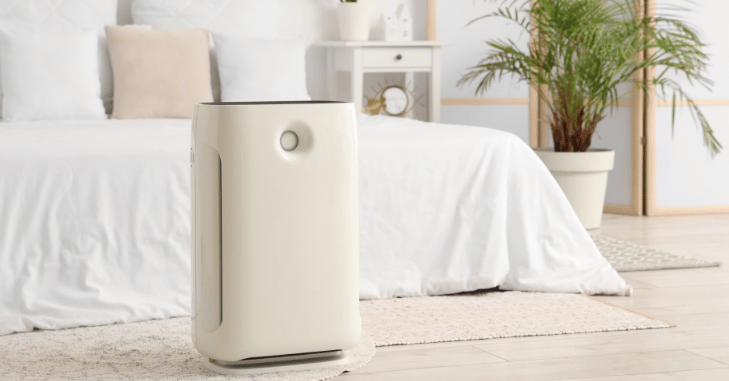
- Room Size: Check CADR and manufacturer recommendations.
- Allergy or Smoke Concerns: Consider models with activated carbon filters.
- Portability: Choose compact units for smaller rooms or smart purifiers for remote monitoring.
- Noise Sensitivity: Select low-decibel models for bedrooms.
- Budget & Filter Costs: Factor in long-term costs of filter replacements.
Advanced Features to Consider
Some advanced HEPA air purifier models come with additional features to further improve indoor air quality. Ionizers release negative ions that attach to airborne particles, causing them to settle out of the air more quickly and making the environment feel cleaner.
Additionally, many modern purifiers are equipped with smart sensors that automatically detect the air quality in a room and adjust the fan speed accordingly, ensuring optimal purification while conserving energy and maintaining a comfortable environment.
Conclusion
HEPA air purifiers are essential tools for maintaining clean, healthy indoor air in homes, offices, and vehicles. By capturing microscopic particles like dust, pollen, pet dander, smoke, and certain pathogens, they provide tangible benefits such as allergy and asthma relief, odor elimination, improved sleep, and overall better respiratory health.
Choosing the right purifier, whether portable, whole-house, car-based, or smart Wi-Fi-enabled, combined with proper maintenance and strategic placement, ensures maximum efficiency.
Want to know about Arctis Nova Pro Wireless: Premium Gaming Headset with Advanced Features and Immersive Sound Check out our Tech category.
FAQs
Typically, every 6–12 months, depending on usage, air quality, and manufacturer recommendations.
Yes, units with activated carbon filters can effectively neutralize smoke, cooking smells, and chemical odors.
They can trap some airborne viruses and bacteria, but they are not a substitute for medical hygiene or sterilization.
Choose based on room size and the CADR (Clean Air Delivery Rate); a higher CADR is suitable for larger rooms.
Yes, portable HEPA purifiers are designed for vehicle cabins to filter dust, smoke, and allergens while traveling.
Absolutely. Regularly cleaning pre-filters, replacing HEPA and carbon filters, and wiping down vents ensures optimal performance and longevity.