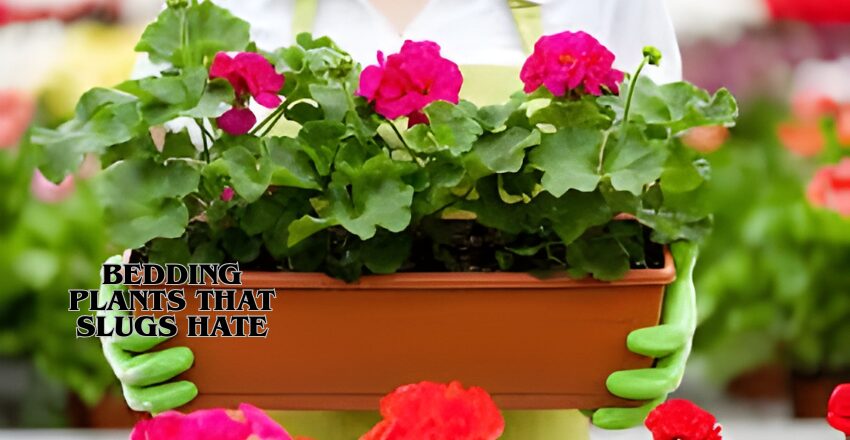
Slugs might be small, but their appetite can cause big problems in the garden. One night, your tender young plants can be healthy and green, and the next morning, you might find them chewed down to stubs, leaving slimy trails and a frustrated gardener in their wake.
These stealthy pests are notorious for targeting soft, juicy bedding plants, turning your colorful flower beds into a victim of overnight destruction. But the good news is that with the right plant choices, specifically bedding plants that slugs hate you can stay one step ahead of these sneaky invaders and enjoy a vibrant, thriving garden all season long without constant worry or chemical interventions.
| Bedding Plants That Slugs Hate | Why Slugs Avoid Them | Key Benefits |
| Lavender | Strong fragrance, woody stems, coarse leaves | Drought-tolerant, attracts pollinators, adds calming scent |
| Marigolds | Strong scent, slightly bitter taste | Easy to grow, long blooming season, deters other pests |
| Geraniums | Thick, slightly hairy leaves, distinct scent | Low maintenance, many colors, tolerates dry conditions |
| Begonias | Waxy leaves, slight bitterness | Great for shade, continuous blooms, and ideal for containers |
| Nasturtiums | Preferred by slugs (acts as a trap plant) | Bright edible flowers, easy to grow, divert slugs |
| Sage & Herbs | Aromatic, tough leaves | Culinary uses, low water needs, deters pests |
| Alyssum | Slightly tough growth, dense structure | Ground cover attracts beneficial insects and works in borders |
| Snapdragons | Thick stems, less appealing texture | Layering in beds, long-lasting blooms, and easy-to-grow |
| Dusty Miller | Fuzzy texture, unpalatable taste | Drought-resistant, adds contrast, low maintenance |
| Salvia | Aromatic foliage, slightly rough leaves | Attracts bees & butterflies, heat-tolerant, long blooming |
Bedding Plants That Slugs Hate

Bedding plants that slugs hate are a gardener’s best defense against these persistent pests. These plants naturally repel slugs due to their tough, hairy, or aromatic leaves, making them unappealing and difficult to chew.
By incorporating these slug-resistant flowers into your garden, you can reduce damage without relying on chemical treatments. Not only do they protect your garden, but many of these plants also add vibracolors andrs, pleasant fragrances, and attract beneficial insects, creating a beautiful, low-maintenance, and thriving garden all season long.
Choosing bedding plants that slugs hate is a simple yet highly effective strategy for maintaining healthy flower beds and a pest-free outdoor space.
Best Bedding Plants That Slugs Hate
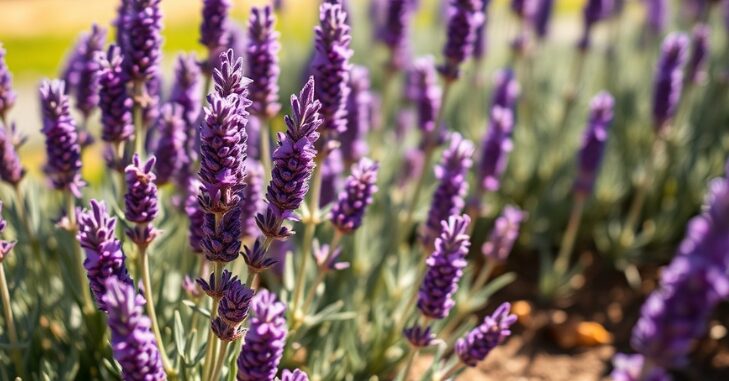
Lavender
- Strong fragrance repels pests
- Tough, woody stems
- Narrow, slightly coarse leaves
Benefits
- Drought-tolerant
- Attracts pollinators like bees
- Adds a calming scent to the garden
Marigolds
- A strong scent deters slugs
- Slightly bitter taste
- Easy to grow from seed
- Long blooming season
- Helps deter other pests
Geraniums
- Thick, slightly hairy leaves
- Distinct scent
Benefits
- Low maintenance
- Available in many colors
- Tolerates dry conditions
Begonias
- Waxy leaves
- Slight bitterness
Benefits
- Great for shaded areas
- Continuous blooms
- Ideal for containers
Nasturtiums
- Preferred by slugs (acts as a trap plant)
Benefits
- Bright edible flowers
- Easy to grow
- Diverts slugs from other plants
Sage and Other Herbs
- Slug-resistant herbs include:
- Sage
- Thyme
- Rosemary
- Oregano
Benefits
- Culinary uses
- Low water needs
- A strong scent deters pests
Alyssum
- Slightly tough growth
- Dense structure
Benefits
- Excellent ground cover
- Attracts beneficial insects
- Works well in borders and edges
Snapdragons
- Thick stems
- Less appealing texture
Benefits
- Great for layering in beds
- Long-lasting blooms
- Easy to grow
Dusty Miller
- Fuzzy texture
- Unpalatable taste
Benefits
- Drought-resistant
- Adds contrast to flower beds
- Extremely low maintenance
Salvia
- Aromatic foliage
- Slightly rough leaves
Benefits
- Attracts bees and butterflies
- Heat-tolerant
- Long blooming period
How to Design a Slug-Resistant Garden Bed?
Choosing the right plants is just the first step. A well-planned garden design can further reduce slug problems and help your plants thrive. Proper spacing, soil management, and companion planting all play a key role in keeping your garden pest-free.
Planting Tips
Proper plant placement can make a big difference in slug prevention. Space plants adequately improve airflow, which helps keep the soil surface drier and less inviting to slugs. Avoid overcrowding, as dense plant clusters create damp hiding spots that slugs love. Using raised beds or containers can also limit slug access while giving your garden a structured, attractive layout.
Soil and Water Management
Managing soil moisture is essential for a slug-resistant garden. Water plants in the morning raththan inhan the evening, allowing the soil to dry before nightfall when slugs are most active. Keep soil well-drained to prevent waterlogged conditions that encourage pests. Removing excess mulch or decaying plant debris helps eliminate hiding spots and reduces slug infestations.
Companion Planting
Companion planting is another effective strategy. Mixing slug-resistant plants with more vulnerable ones can provide natural protection. Slugs are more likely to avoid the resistant plants, which in turn shield nearby flowers from damage. Strategically arranging plants can create a balanced, pest-resistant garden without the need for chemical deterrents.
Natural Ways to Keep Slugs Away
Even with slug-resistant plants, incorporating a few extra strategies can help keep your garden completely pest-free.
Effective Slug Control Methods
- Crushed eggshells or gravel: Creates a rough barrier that slugs find difficult to cross
- Copper tape: Gives slugs a mild shock, preventing them from reaching plants
- Beer traps: Attract and trap slugs, reducing their numbers in the garden
- Hand picking: Manually removing slugs is effective in small gardens and helps protect vulnerable plant
Benefits of Growing Slug-Resistant Bedding Plants
Switching to slug-resistant flowers offers several long-term advantages:
Key Benefits
- Less need for pesticides
- Lower maintenance gardening
- Healthier, longer-lasting plants
- Better environmental impact
- Consistent blooms throughout the season
Creating a Beautiful, Pest-Free Garden All Season
A garden free from slug damage doesn’t happen by chance; it’s the result of smart plant choices and simple care techniques. By selecting bedding plants that slugs hate, you can enjoy a thriving, colorful garden without constant worry.
Mix fragrant herbs, tough foliage plants, and vibrant flowers to create a balanced, resilient garden design. Incorporating bedding plants that slugs hate, along with a few natural deterrents and maintaining good watering habits, will ensure your garden stays healthy and vibrant all season long.
Seasonal Care Tips for Best Results
Spring
- Start planting early slug-resistant varieties
- Improve soil drainage
Summer
- Water wisely
- Deadhead flowers to encourage blooms
Autumn
- Remove plant debris
- Prepare beds for next season
Conclusion
Creating a garden that thrives without constant pest damage is easier when you make smart plant choices. By incorporating bedding plants that slugs hate, you can protect your flowers from common slug infestations while enjoying vibrant, low-maintenance, and long-lasting blooms.
Combining these slug-resistant plants with proper garden design, seasonal care, and natural deterrents ensures a healthy, beautiful, and pest-free garden all year round. Whether you’re a beginner or an experienced gardener, choosing bedding plants that slugs hate is a simple and effective way to maintain a flourishing garden with minimal effort.
Want to know about Single Sofa Bed Chair Guide: Complete Overview of Stylish Designs, Smart Storage, Budget Prices, and More Info Check out our Home improvement category.
FAQs
Some herbs, such as anise, lavender, wormwood, mint, cilantro, tansy, and lemon balm, may discourage slugs.
Lavender is one of the most common plant fragrances that is slug-resistant, because slugs detest strong-smelling plants.
A slug can be killed in a matter of seconds by pouring salt on it; this usually requires a significant amount of salt.
Rove beetles, ground beetles, slow worms, frogs, hedgehogs, and toads all consume slugs.