Walking 10,000 steps a day has become one of the most recommended and widely adopted fitness goals worldwide. This is why many people search for how long does it takes to walk 10,000 steps, as they want to understand the time, effort, and benefits behind this popular fitness goal.
It is often seen as a practical alternative to traditional workouts because it does not require a gym, special equipment, or advanced fitness training. But despite its popularity, many people still wonder: how long does it actually take to walk 10,000 steps, and is it truly worth the time and effort in a busy daily routine?
The truth is, there is no single fixed answer because the time required to complete 10,000 steps depends on several real-life factors. These include your walking speed, stride length, age, fitness level, terrain, and even how active your daily lifestyle already is.
For some people, 10,000 steps may take just over an hour, while for others it may extend to nearly two hours or more,e depending on pace and breaks. This expanded guide is designed to give you a complete and practical understanding of the topic, including time breakdowns, distance covered, calories burned, health benefits, and smart strategies to easily fit walking into your daily routine.
10,000 Steps Walking Guide (Quick Reference Table)
| Topic | Details |
|---|---|
| Average Time Required | 1.5 to 2 hours |
| Slow Walking Time | 2 to 2.5 hours |
| Moderate Walking Time | 1.5 to 2 hours |
| Brisk Walking Time | 60 to 75 minutes |
| Power Walking Time | 45 to 60 minutes |
| Average Distance | 7 to 8 km (4–5 miles) |
| Steps per Kilometer | ~1,250 to 1,500 steps |
| Calories Burned (Average) | 300–500 calories |
| Calories (70 kg person) | 350–400 calories |
| Calories (90 kg person) | 450–500 calories |
| Best Time to Walk | Morning or evening |
| Beginner Step Goal | 4,000–6,000 steps |
| Intermediate Goal | 6,000–8,000 steps |
| Advanced Goal | 10,000+ steps |
| Walking Speed (Slow) | 2 mph (3.2 km/h) |
| Walking Speed (Moderate) | 3 mph (4.8 km/h) |
| Walking Speed (Fast) | 4 mph (6.4 km/h) |
| Indoor Walking Option | Treadmill or home walking |
| Outdoor Walking Benefit | Fresh air and a better mood |
| Steps per 10 Minutes | ~1,000–1,200 steps |
| Time per 1,000 Steps | 8–10 minutes |
| Weight Loss Support | Yes, with a calorie deficit |
| Best Strategy | Split into small sessions |
| Common Mistake | Doing all steps at once |
| Key Success Tip | Stay consistent daily |
What Does 10,000 Steps Really Mean in Real Life?

The idea of 10,000 steps is simple, but its impact is powerful.
- It equals roughly 7 to 8 kilometers (4 to 5 miles)
- It can represent active living rather than structured exercise
- It includes both intentional walking and daily movement
Important: You don’t need to “exercise” for all 10,000 steps. Even your normal daily movements, walking at home, climbing stairs, or shopping, count.
How Long Does It Take to Walk 10,000 Steps?
Let’s go deeper into realistic timing that accounts for multiple factors.
Time Based on Walking Style
- Very slow walking (casual pace): 2.5 hours
- Normal walking (comfortable pace): 1.5 to 2 hours
- Fast walking (fitness pace): 60 to 75 minutes
- Power walking: 45 to 60 minutes
Average realistic time: 90–120 minutes daily
Factors That Affect Your Walking Time

Not everyone will take the same time. Here are key factors that change your results:
1. Stride Length
- Taller individuals cover more ground per step
- Shorter stride = more time needed
2. Walking Speed
- A faster pace reduces the total time
- Beginners usually walk more slowly
3. Terrain
- Flat surface = faster
- Hills or rough terrain = slower but burns more calories
4. Body Weight
- Heavier individuals may walk more slowly but burn more calories
5. Fitness Level
- Active people complete steps more quickly
- Beginners need more breaks
How to Reach 10,000 Steps Faster?
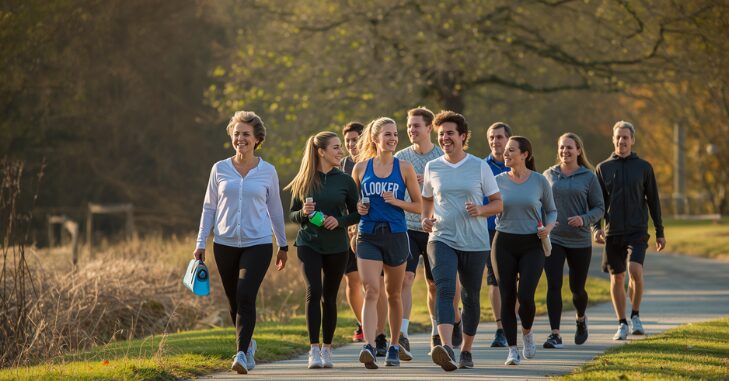
If you feel 2 hours is too long, don’t worry. You can optimize your routine.
Smart Strategies
- Walk at a brisk pace for part of your session
- Add short bursts of speed walking
- Use stairs instead of lifts
- Park farther from the entrances
- Walk during phone calls
These small habits can significantly reduce your total time.
Detailed Daily Step Plan
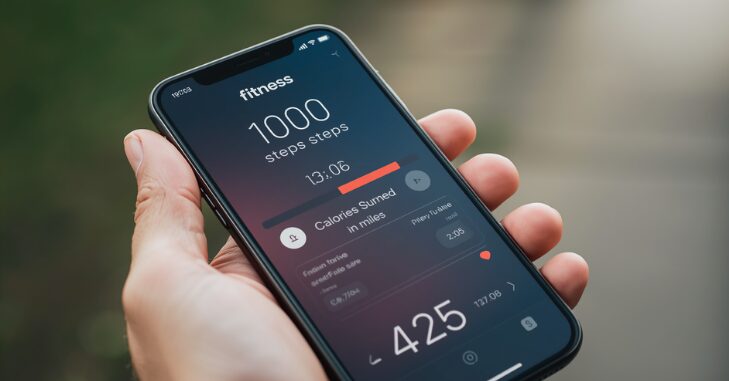
Here’s a more structured approach for better consistency:
Morning Boost (20–30 Minutes)
- Light walk after waking up
- Steps gained: 2,000–3,000
Midday Activity
- Walk during lunch break
- Move around at work
- Steps gained: 3,000–4,000
Evening Walk (30–40 Minutes)
- Relaxed or brisk walk
- Steps gained: 3,000–4,000
Total: Easily reaches 10,000 steps without exhaustion
Calories Burned: A Deeper Look

Walking 10,000 steps is not just about movement; it’s about energy expenditure.
Factors That Influence Calorie
- Body weight
- Walking speed
- Duration
- Incline or resistance
Average Calorie Burn
- Light walker: 250–300 calories
- Moderate walker: 300–400 calories
- Fast walker: 400–500+ calories
Walking uphill or carrying weight can increase burn by 20–30%.
How 10,000 Steps Impacts Weight Loss?
Walking alone can support weight loss, but only if done correctly.
Key Insights
- 3,500 calories ≈ 0.45 kg (1 pound) fat
- Walking daily creates a calorie deficit
- Combined with diet = faster results
Example:
If you burn 400 calories daily →
You could lose around 1–1.5 kg per month with consistency.
Health Benefits Backed by Real Experience

Walking is not just an exercise; it’s a lifestyle habit.
Cardiovascular Health
- Improves blood circulation
- Reduces risk of heart disease
Joint & Muscle Strength
- Low-impact exercise
- Ideal for all age groups
Mental Wellness
- Releases endorphins (feel-good hormones)
- Reduces stress and anxiety
Better Sleep
- Helps regulate sleep cycles
- Improves sleep quality
Indoor vs Outdoor Walking
| Factor | Indoor Walking | Outdoor Walking |
| Convenience | High | Medium |
| Weather impact | None | High |
| Mental relaxation | Moderate | High |
| Variety | Low | High |
| Motivation | Medium | High |
Best approach: Combine both for balance
How to Stay Consistent?

Consistency is the biggest challenge. Here’s how to overcome it:
Set Micro Goals
- Start with 5,000 steps
- Increase gradually
Build a Routine
- Walk at the same time daily
Reward Yourself
- Celebrate small achievements
Accountability
- Walk with a partner or join a group
Common Beginner Challenges and Solutions
| Challenge | Solution |
| “I Don’t Have Time” | Break into 10–15 min sessions. |
| “I Get Tired Easily” | Start slow, increase gradually. |
| “I Lose Motivation” | Track steps and set small goals. |
Advanced Tips for Better Results
If you want to go beyond basic walking:
Add Intensity
- Try interval walking (slow + fast)
Add Resistance
- Use light weights or a backpack
Include Inclines
- Walk on slopes or treadmill incline
Mindful Walking
- Focus on breathing and posture
Final Thoughts
Walking 10,000 steps may sound like a big goal, but when broken into small, manageable parts, it becomes achievable for anyone. On average, it takes how long does it take to walk 10,000 steps; around 1.5 to 2 hours; but you don’t need to do it all at once.
The real power of this habit lies in consistency, simplicity, and sustainability. Even if you start small, your body will adapt, your stamina will improve, and your health will benefit in ways you may not immediately notice.
Start today. Take that first step. And let your journey to better health build naturally, one step at a time, while understanding how long it takes to walk 10,000 steps and how easily it can fit into your daily routine.
Want to know about Chest-Supported Dumbbell Row: The Ultimate Guide to Building a Stronger, Thicker Back, and more info Check out our Health category.
Frequently Asked Questions (FAQs)
Yes, daily activities can contribute significantly.
Mostly yes, but people with health issues should consult a doctor.
On average, it takes about 1.5 to 2 hours to walk 10,000 steps, depending on your walking speed, fitness level, and terrain.
Yes, but combine it with a healthy diet.
Absolutely. Steps are steps; location doesn’t matter.