Cheese is far more than just a tasty ingredient added to meals; it is one of the oldest and most widely enjoyed foods in the world, valued for its rich flavor, creamy texture, and impressive nutritional density. From breakfast toast to gourmet dishes, cheese plays a major role in global cuisines.
While it is often considered high in fat and calories, wide varieties are packed with essential nutrients such as high-quality protein, calcium, phosphorus, and important vitamins like A, B12, and K2.
In addition, certain fermented cheeses may also contribute to better digestion by supporting gut-friendly bacteria. This guide explores the healthiest cheese options in detail, helping you understand their nutrition facts, protein content, calorie levels, calcium benefits, and how to choose the best types for weight management, heart health, and everyday balanced eating.
| category | Key Points |
| What is Healthiest Cheese | Healthiest Cheese is a nutrient-dense dairy food ric in protein, calcium, vitamins, and healthy fats |
| Cheese Options | Cottage cheese, mozzarella, ricotta, Swiss, feta |
| High-Protein Healthiest Cheese | Cottage cheese, parmesan, mozzarella, Swiss |
| Low-Calorie | Cottage cheese, ricotta, mozzarella, feta |
| Heart-Healthy | Mozzarella, Swiss, goat cheese, cottage cheese |
| Best Cheese for Weight Loss | Cottage cheese, ricotta, |
| Best Cheese for Digestion | Goat cheese, ricotta, |
| Key Nutrients | Protein, calcium, phosphorus, vitamins A, B12, and K2 |
| Benefits | Strong bones, muscle growth, satiety, gut health support |
| Health Risks | Saturated fat, sodium, calorie density |
| Healthy Eating Tips | Portion control, balanced meals, and minimally processed cheese |
What Is the Healthiest Cheese?

The healthiest cheese depends on individual dietary needs, but in general, the best options are those that are high in protein, lower in calories, and moderate in fat and sodium. Cottage cheese is often considered one of the healthiest choices due to its high protein and low-calorie content, making it ideal for weight management and muscle support.
Mozzarella and ricotta are also excellent options because they are lighter, easier to digest, and more heart-friendly compared to many aged cheeses. For those seeking higher calcium and protein density, Parmesan is a strong choice, while Swiss cheese and goat cheese offer better digestion and lower sodium levels.
What Makes Cheese Healthy or Unhealthy?

The health value of cheese depends on its nutritional composition and how it is consumed.
- Protein supports muscle growth and keeps you full
- Calcium strengthens bones and teeth
- Calorie density affects weight control
- Saturated fat influences heart health
- Sodium levels impact blood pressure
- Fermented cheeses may support gut health
Nutritional Profile of Cheese
Cheese is a concentrated source of essential nutrients that support overall health and well-being.
Key Nutrients Found in Cheese
- High-quality protein that supports muscle repair and growth
- Calcium: that helps strengthen bones and teeth
- Healthy fats: that provide energy and support body functions in moderation
- Vitamins such as A, B12, and K2: that support vision, nerve health, and bone strength
Healthiest Cheese Options

Cottage Cheese – High-Protein, Low-Calorie Option
Cottage cheese is one of the healthiest cheese varieties due to its high protein and low-calorie content. It is especially popular among people focused on weight loss and fitness. This cheese helps support muscle recovery and keeps you full for longer. It can be easily added to meals such as fruits, vegetables, or seeds for a balanced snack.
Mozzarella – Light and Heart-Friendly Cheese
Mozzarella is a soft cheese known for its lower fat and sodium levels compared to many aged cheeses. It provides a moderate amount of protein and is considered a lighter option for everyday meals. It is commonly used in salads, sandwiches, and light dishes, making it a versatile and heart-friendly choice.
Ricotta – Easy to Digest and Light Cheese
Ricotta is made from whey and has a soft, creamy texture with a lighter nutritional profile. It is gentle on digestion and often preferred by those who want a milder cheese option. Ricotta works well in both sweet and savory dishes, including pasta, desserts, and spreads.
Feta Cheese—Flavorful Low-Calorie Choice
Feta is a tangy and flavorful cheese that delivers a strong taste even in small amounts. This makes it helpful for portion control while still enhancing dishes. It is widely used in salads, wraps, and Mediterranean-style meals for its bold flavor.
Parmesan – High-Protein and Calcium-Dense Cheese
Parmesan is an aged cheese with a highly concentrated nutrient profile. It is rich in both protein and calcium, making it beneficial for bone strength and muscle maintenance. Because of its strong flavor, it is usually used in small quantities as a topping for pasta, soups, and salads.
Swiss Cheese – Lower Sodium Alternative
Swiss cheese contains a moderate amount of protein and is lower in sodium compared to many other cheese varieties. This makes it a better option for those watching their salt intake. It is commonly used in sandwiches, melts, and cooked recipes.
Goat Cheese – Easier on Digestion
Goat cheese is often easier to digest due to its lower lactose content compared to cow’s milk cheese. It has a distinctive, slightly tangy flavor that enhances salads and gourmet dishes. It is a good choice for people looking for a more digestible cheese option.
High-Protein vs Low-Calorie Cheese Options
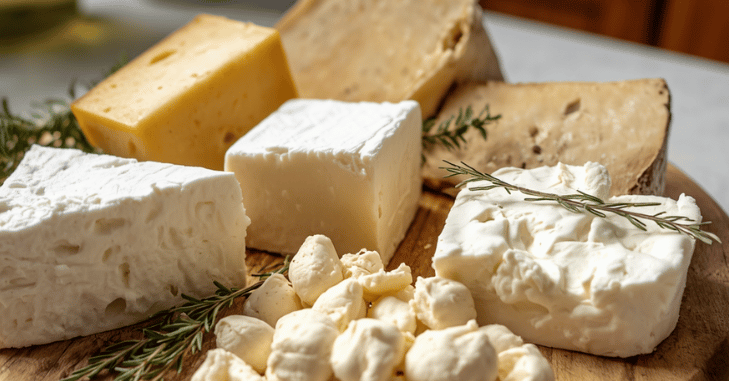
High-Protein Cheese Options
- Cottage cheese
- Parmesan
- Mozzarella
- Swiss cheese
Low-Calorie Cheese Options
- Cottage cheese
- Ricotta
- Mozzarella
- Feta
Heart-Healthy Cheese Options
- Mozzarella
- Swiss cheese
- Goat cheese
- Cottage cheese
Health Benefits of Cheese
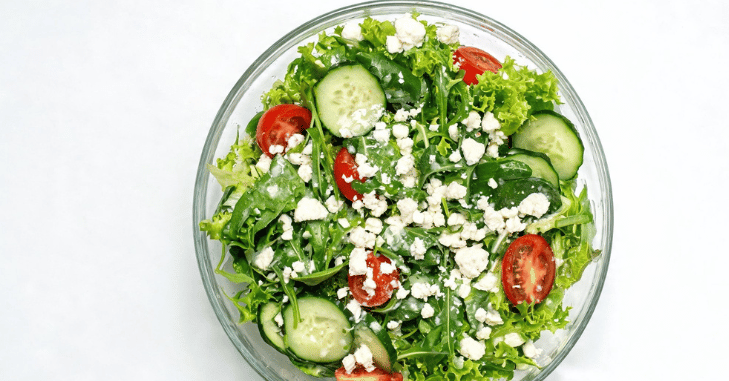
Healthiest Cheese offers several important health benefits when consumed in moderation as part of a balanced diet. It supports strong bone development due to its high calcium content and helps promote muscle repair and growth because of its rich protein profile.
Certain varieties of the healthiest cheese, especially fermented types, may also contribute to better gut health by supporting beneficial bacteria in the digestive system. Additionally, some cheeses contain vitamin K2, which is linked to improved bone strength and cardiovascular health, making Healthiest Cheese a nutritious addition when chosen wisely and eaten in appropriate portions.
Choosing the Healthiest Cheese for Your Needs
- For weight management, cottage cheese and ricotta are excellent choices.
- For protein intake, Parmesan and cottage cheese are highly effective.
- For heart health, mozzarella and Swiss cheese are better options.
- For digestion, goat cheese is often easier to tolerate
Healthy Cheese in Everyday Diet and Meal Planning
In everyday eating habits, cheese can be included in a balanced diet when combined with other nutritious foods such as fruits, vegetables, and whole grains. Many people now use healthier cheese varieties in breakfast meals, salads, snacks, and light dinners to maintain both taste and nutrition.
Choosing lower-fat and high-protein options can help support fitness goals while still enjoying rich flavors. When paired with fiber-rich foods, cheese also contributes to better satiety, helping reduce unnecessary snacking throughout the day. This makes it easier to maintain a healthy lifestyle without completely avoiding dairy products.
Healthy Cheese Eating Tips

Portion control is key when consuming cheese regularly.
- Portion control is essential for maintaining a balanced diet.
- Helps avoid excess calories, fat, and sodium intake
- Allows enjoyment of cheese in a healthy way
Smaller Servings Help Manage Calorie and Fat Intake
- Keeps calorie intake under control
- Reduces saturated fat consumption
- Still provides essential nutrients like protein and calcium
Pair Cheese with Fruits, Vegetables, or Whole Grains
- Improves the overall nutritional balance of meals
- Increases fiber intake for better digestion
- Enhances satiety and keeps you full longer
Choose Minimally Processed Cheese Options
- Healthier than heavily processed cheese products
- Typically contain fewer additives and preservatives
- Provide more natural nutrients and better-quality fats
Conclusion
The healthiest cheese can be a valuable and nutrient-rich addition to a balanced diet when chosen carefully and consumed in moderation. It provides essential nutrients such as high-quality protein, calcium, and important vitamins that support bone strength, muscle growth, and overall well-being.
By selecting the right types of healthiest cheeses, like cottage cheese, mozzarella, ricotta, Swiss, and feta, individuals can enjoy both taste and nutrition without compromising their health goals. With mindful eating habits and proper portion control, the healthiest cheese can easily fit into a healthy lifestyle and contribute to long-term wellness.
Apart from that, if you want to know more about Skincare Routine: A Step-by-Step Guide to Radiant, Healthy, and Youthful Skin Every Day Through Morning, Evening, and Lifestyle Habits then visit our Health category.
FAQs
High-quality milk and little processing are typically the healthiest options. Consider mature cheeses like cheddar or Gouda, goat cheese, sheep milk cheeses, feta, mozzarella, and Parmesan.
Cheeses with reduced fat content include edam, cottage cheese, low-fat soft cheese, and half-fat hard cheese.
The ingredients of authentic cheeses, such as those from Reny Picot, include milk, salt, and enzymes. That’s all. Reny Picot cheeses are authentic.
fruits, vegetables, whole grains, nuts, seeds, legumes (beans and pulses), herbs, and spices.