
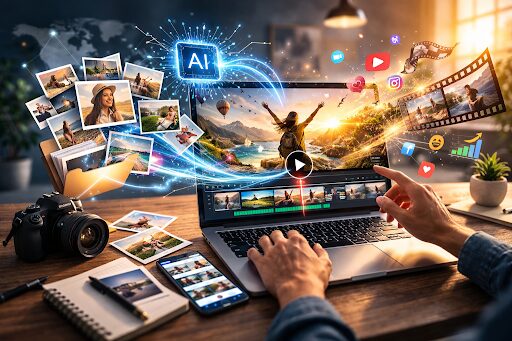
In today’s rapidly evolving digital landscape, marketers are on a relentless quest for innovative strategies to captivate their audiences and ensure their content distinguishes itself amid the noise. One of the most captivating trends currently making waves is the transformative process of converting still photographs into vibrant videos. This groundbreaking technique is proving to be a revolutionary asset for brands aiming to elevate their storytelling capabilities while streamlining the complexities of content creation.
By harnessing advanced AI technology, businesses can breathe life into static images, transforming them into captivating, dynamic video content that engages viewers on a deeper level. This article delves into the reasons why the conversion of photo to video is poised to become a defining trend in digital marketing. We will explore how this innovative approach can empower brands to refine and enhance their content creation strategies, ultimately allowing them to connect more profoundly with their target audiences and stand out in a crowded marketplace.
What Is Photo to Video Conversion?
Photo to video conversion involves transforming still images into moving visuals, turning a series of photos or a single image into a captivating video. This process is made possible through advanced AI-powered video tools that add motion, transitions, and sometimes even sound effects or voiceovers to the photos. It is an innovative way of bringing static content to life without the need for expensive filming equipment or complex video editing.
The conversion of photos into videos allows for greater storytelling potential. Unlike traditional image-based content, videos are more immersive, grabbing viewers’ attention and keeping them engaged. In a digital world where video content is increasingly favored by audiences and search engines, this trend is a game-changer for businesses, content creators, and marketers.
How Does AI-Driven Photo to Video Conversion Work?
AI technology plays a crucial role in photo to video conversion. AI-driven platforms can analyze an image and intelligently determine how to animate it, adding dynamic movements, transitions, and even syncing the video with music or voiceovers. Tools like invideo’s photo to video converter offer users an intuitive, text-based interface where they can upload their images, add creative elements, and generate a professional-looking video with ease.
Key Features of AI Photo to Video Tools:
- Automatic Scene Creation: AI tools automatically detect the key elements in the image and generate scenes or transitions, creating a smooth flow of visuals in the video.
- Music and Voiceovers: AI can synchronize music and voiceovers with the visuals, enhancing the mood of the video.
- Simple Text Prompts: Users can simply provide text prompts, and the AI will generate videos based on the input, making the process fast and effortless.
How Does Photo to Video Conversion Benefit Digital Marketing?
Photo to video conversion offers multiple benefits for digital marketers, making it an invaluable tool in their content creation toolkit. Here are a few reasons why it’s gaining popularity:
1. Enhanced Engagement
Video content has consistently proven to be more engaging than static images. By converting a photo into a video, brands can keep their audiences’ attention longer, leading to higher engagement rates across social media platforms. This method helps add motion and emotion to the content, which is often more compelling than a still image. Using a video maker app can streamline this process, making it easier for creators to generate engaging video content from existing images.
2. Improved Storytelling
Images are powerful, but they don’t always tell the full story. Videos allow you to add a narrative to your content, whether it’s through text, animation, or voiceovers. Photo to video conversion can seamlessly integrate storytelling elements into the video, making it easier to convey your brand’s message in a more impactful way.
3. More Shareable Content
Videos are much more likely to be shared across social media platforms than images. As platforms like Instagram, Facebook, and Twitter prioritize video content, photo to video conversion ensures your content stands out and reaches a wider audience. Video posts tend to have higher click-through rates and are more likely to go viral, making them ideal for boosting brand visibility.
4. Cost-Effective Production
Traditional video production can be expensive, requiring equipment, locations, and a film crew. With AI-powered photo-to-video tools, you can generate high-quality videos from existing photos. This makes it an affordable option for businesses looking to create professional-looking content without the high costs associated with traditional video production.
5. Consistency in Branding
By converting photos into videos, brands can maintain visual consistency across their content. Adding consistent transitions, filters, and branding elements to photos turned into videos helps create a cohesive brand identity. This is particularly useful for businesses that want to ensure their content looks polished and aligned with their brand guidelines.
Why Photo to Video Conversion Is Essential for Modern Marketing Campaigns
In an age of content saturation, brands must constantly innovate to stay relevant. Here’s how photo to video conversion fits perfectly into modern marketing strategies:
1. Appealing to Short-Form Video Trends
With the rise of TikTok, Instagram Reels, and YouTube Shorts, short-form video has become a staple in content consumption. Photo to video conversion helps marketers create high-impact videos that are optimized for these platforms. Rather than relying on long, complicated video shoots, businesses can turn their still images into compelling videos that capture attention within the first few seconds.
2. Leveraging AI for Personalization
Personalization is key in modern marketing. By using AI tools, marketers can quickly generate personalized videos tailored to different audience segments. Whether it’s creating product demos, behind-the-scenes looks, or social media posts, AI-powered photo to video tools allow businesses to craft tailored content at scale.
3. SEO and Video Content
Search engines prioritize video content, especially when it comes to ranking in platforms like YouTube or Google. By converting photos into videos, marketers can improve their SEO efforts by generating video content that ranks higher in search results. This strategy helps drive organic traffic and enhance online visibility.
How Will Photo to Video Conversion Affect the Future of Digital Marketing?
The future of digital marketing will undoubtedly see more businesses using photo to video conversion as part of their content strategies. With its ability to create visually compelling content quickly, it’s clear that this trend is not going away anytime soon.
As video continues to dominate as the most effective content format, marketers who embrace this trend early will likely see a significant advantage in terms of engagement, conversions, and brand awareness. Additionally, the ongoing advancements in AI will continue to make photo to video conversion even more accessible and user-friendly.
Conclusion
The emerging trend of transforming compelling photos into engaging videos is revolutionizing the way brands craft and deliver their content. As artificial intelligence continues to advance and reshape the digital landscape, the process of converting static images into dynamic video narratives is becoming increasingly streamlined, efficient, and accessible for businesses of all sizes. For those aiming to elevate their digital marketing strategies, the ability to seamlessly transition from photo to video offers a vital tool for amplifying audience engagement, enriching storytelling, and producing content that truly resonates with viewers. This innovative approach not only captivates attention but also fosters deeper connections with target audiences, making it an indispensable asset in today’s fast-paced digital environment.
Apart from that, if you want to know more about Intel Core i9‑9900K: Ultimate 9th-Gen Desktop CPU Guide for Gaming, Content Creation, Overclocking, and High-Performance Productivity then visit our Tech category.

