
Silent Witness Season 26 continues the long-running BBC crime drama with a more modern, cinematic, and emotionally layered approach to forensic storytelling, marking another strong step in the show’s evolution. In this season, the series further develops its transition from traditional case-by-case investigations into more serialized narratives, allowing each storyline to unfold across multiple episodes with greater depth.
The Lyell Center team, led by Dr. Nikki Alexander and Jack Hodgson, is once again drawn into a series of complex and often disturbing cases that extend far beyond routine murder investigations, involving global crime networks, digital exploitation, institutional corruption, and moral dilemmas.
Season 26 also places a strong emphasis on advanced forensic science, including digital analysis, realistic crime scene reconstruction, and detailed pathological examination, reflecting the increasing sophistication of modern investigative methods. At the same time, it explores the emotional and psychological toll of continuous exposure to death.
| Section | Summary |
| Main Setting | The Lyell Center is a forensic hub where most investigations and lab work take place. |
| Lead Characters | Dr. Nikki Alexander and Jack Hodgson remain the central investigative duo. |
| Supporting Team | Gabriel Folukoya, Velvy Schur, and Cara Connelly expand the forensic team dynamic. |
| Case Structure | Five two-part story arcs, each functioning like a mini crime film. |
| Crime Types | Includes organized crime, trafficking, digital exploitation, corruption, and festival-related murder. |
| Forensic Focus | Strong emphasis on digital forensics, pathology, DNA analysis, and realistic crime scene work. |
| Visual Style | Darker tone, cinematic lighting, and high-definition forensic detail. |
| Filming Approach | Multi-location shoots increase realism and scale of investigations. |
| Emotional Depth | Greater focus on the psychological pressure faced by forensic experts. |
| Moral Conflict | Characters often face ethical dilemmas between law, justice, and personal judgment. |
| Global Scope | Crimes extend beyond local cases into international networks and cross-border activity. |
| Social Media Theme | One case explores influencer culture and online identity manipulation. |
| Production Quality | More polished cinematography and stronger cinematic presentation than earlier seasons. |
| Audience Response | Positive feedback for performances and storytelling, mixed views on reduced pure forensic focus. |
| Series Evolution | Shows transition from traditional forensic procedural to modern crime drama. |
| Season Impact | Reinforces Silent Witness as a long-running, adaptable BBC crime franchise. |
Silent Witness Season 26

Silent Witness Season 26 continues the long-standing BBC crime drama with a more modern, cinematic, and emotionally layered approach to forensic storytelling. In this season, the series further develops its shift from traditional case-by-case investigations into more serialized narratives, allowing each storyline to unfold over multiple episodes with greater depth and complexity.
The Lyell Center team, led by Dr. Nikki Alexander and Jack Hodgson, is confronted with a series of challenging cases that go beyond ordinary murder investigations, often involving global crime networks, digital exploitation, and morally complex situations.
Season 26 places a strong emphasis on advanced forensic science, including digital analysis, realistic crime scene reconstruction, and detailed pathology work, reflecting the evolution of modern investigative techniques. At the same time, it explores the emotional and psychological impact of working with death and violence.
Background of the Series
Silent Witness began in 1996 and was created by Nigel McCrery. The show originally focused heavily on post-mortem examinations and forensic detail, with early seasons following Dr. Sam Ryan as the central character.
Over time, the series evolved significantly:
- It moved from standalone episodes to multi-episode story arcs
- It introduced stronger character-driven narratives
- It modernized forensic science techniques
- It expanded its international and political themes
- By Season 26, the show has fully embraced serialized storytelling while still maintaining its forensic foundation.
Release Information
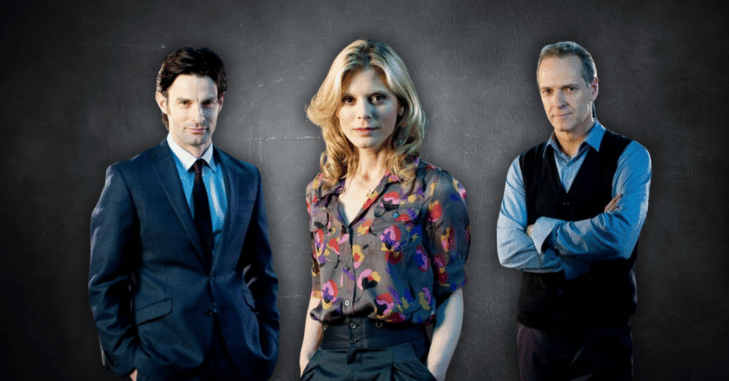
Season 26 premiered on BBC One in January 2023. It followed the traditional New Year crime drama schedule, which has become a hallmark of the series.
Key details include:
- United Kingdom release on BBC One
- Streaming availability on BBC iPlayer
- International distribution through BritBox and other platforms
- Ten-episode structure divided into five two-part stories
- This format allowed each case to develop more depth compared to earlier single-episode mysteries.
Main Cast and Characters
| Character | Actor | Role Description |
| Dr Nikki Alexander | Emilia Fox | Nikki is the central character of the series and a highly skilled forensic pathologist. She is known for her intelligence, emotional depth, and strong moral sensitivity. In Season 26, she becomes more deeply involved in complex and dangerous investigations that increasingly test her professional judgment and personal boundaries. |
| Jack Hodgson | David Caves | Jack is a forensic scientist and one of Nikki’s closest colleagues. In Season 26, his role expands further into crime scene reconstruction and field investigations, making him a key practical force in solving cases. |
| Dr Gabriel Folukoya | — | Gabriel is a forensic expert who brings additional scientific knowledge and expertise to the Lyell Center team. His presence strengthens the team’s multidisciplinary approach to investigations and scientific analysis. |
| Velvy Schur | — | Velvy is a younger member of the team who represents the next generation of forensic professionals. He adds fresh perspective, enthusiasm, and a modern outlook to the investigative process. |
| Cara Connelly | — | Cara is a supporting forensic specialist who plays an important role in laboratory analysis and technical examination, helping the team process evidence and support case breakthroughs. |
Season Structure

Season 26 is structured into five separate two-part cases. Each story functions like a mini film, with its own tone, characters, and criminal focus.
This structure allows:
- More complex storytelling
- Deeper emotional development
- Higher production quality per case
- Stronger narrative continuity across episodes
Episode Arcs and Storylines
Case One: The Penitent
The season opens with a shocking death involving a man who is thrown from a high-rise building. What initially appears to be a straightforward homicide quickly expands into a complex investigation involving organized crime.
The team uncovers connections to an Italian mafia network, which places Nikki and her colleagues in serious danger. This storyline sets the tone for the entire season by introducing international criminal influence and moral complexity.
Key themes include:
- Organized crime networks
- Corruption and power
- Moral compromise in investigations
- Personal risk to forensic experts
Case Two: Familiar Faces
The second story begins when an abandoned lorry is discovered in a remote quarry. Inside are multiple victims, some alive and others deceased.
The investigation leads the Lyell Center team into the world of human trafficking and identity concealment. Victims are found to have altered or hidden identities, making forensic identification extremely difficult.
Key themes include:
- Human trafficking operations
- Immigration and exploitation
- Forensic identification challenges
- Ethical responsibility in victim recovery
Case Three: Star
This case is centered around a murder that takes place during a music festival. The investigation quickly connects to the world of social media influencers and online fame.
The victim’s life reveals a hidden network of manipulation, image-building, and digital exploitation.
Key themes include:
- Social media culture
- Online identity versus reality
- Fame and psychological pressure
- Digital evidence in modern crime
Case Four: Hearts of Darkness
This arc takes place in a rural community where tensions rise between environmental activists and development interests. A murder exposes long-standing corruption and hidden conflicts within the town.
The investigation reveals that environmental, political, and financial motives are deeply interconnected.
Key themes include:
- Environmental activism
- Political corruption
- Community conflict
- Power and land development disputes
Case Five: Southbay
The final case of the season involves Jack reconnecting with a former mentor, which leads the team into an investigation involving corruption within local authority systems.
As the case develops, personal and professional boundaries blur, and hidden betrayals come to light.
The season concludes with emotional consequences for the main characters, particularly Jack and Nikki, as they face the impact of the investigations on their personal lives.
Key themes include:
- Institutional corruption
- Loyalty and betrayal
- Professional ethics
- Emotional consequences of forensic work
Major Themes of Season 26

| Theme | Description |
| Forensic Science Evolution | The show highlights modern forensic techniques, including digital forensics, advanced pathology, DNA analysis, and data-driven investigations that reflect real-world scientific advancements. |
| Global Crime Networks | Season 26 expands the scope of crime beyond local cases, featuring international trafficking operations, mafia connections, and cross-border criminal activity. |
| Social Media and Digital Crime | One storyline explores how online fame, influencers, and digital identity can be exploited, showing how social media can be used for manipulation, deception, and crime. |
| Moral and Ethical Complexity | Characters frequently face difficult decisions where legal rules and moral judgment conflict, adding deeper emotional and ethical tension to investigations. |
| Emotional Impact on Investigators | The season places a stronger emphasis on the psychological strain experienced by forensic professionals, highlighting how repeated exposure to death and violence affects their personal lives and mental health. |
Production Quality and Style
Season 26 continues Silent Witness’s shift toward more cinematic production values, giving the series a noticeably darker, more atmospheric, and more polished visual style compared to earlier seasons. The show places strong emphasis on high-definition forensic detail, allowing viewers to see crime scenes and laboratory work with greater realism and precision.
Crime scenes are reconstructed in a highly realistic manner, enhancing the authenticity of investigations and making the storytelling more immersive. The production also makes use of multiple filming locations, which adds scale and variety to each case while reinforcing the sense of a broader, interconnected world.
Audience Reception
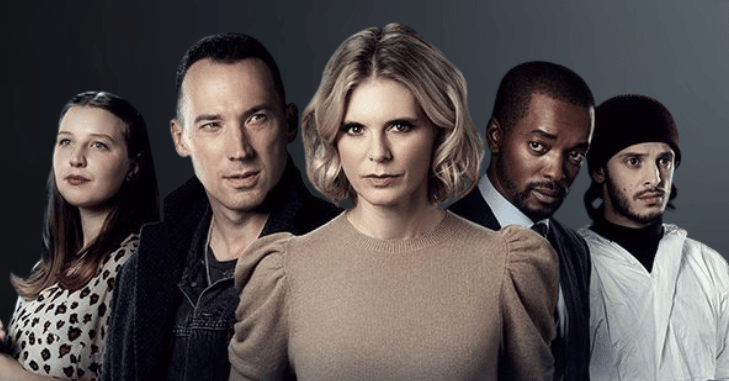
Season 26 received a generally positive response from audiences, particularly for its production quality and strong performances.
Positive reactions:
- Strong lead performances from Emilia Fox and David Caves
- Engaging multi-episode story arcs
- Modern crime themes relevant to today’s world
- High-quality cinematography
Criticism included:
- Some viewers felt the series had become less focused on pure forensic science
- Increased emphasis on personal drama
- Occasional inconsistency in writing tone
- Despite mixed opinions, the show remains one of the BBC’s most reliable crime dramas.
Importance of Season 26

Season 26 is significant because it represents the continued evolution of Silent Witness from a traditional forensic procedural into a modern, serialized crime drama. Over the course of nearly three decades, the series has shown a strong ability to adapt to changing audience expectations and advancements in storytelling, moving beyond simple case-of-the-week formats into more complex, multi-episode narratives.
This season in particular highlights a stronger focus on global and digital crime, reflecting the realities of modern criminal activity in an increasingly connected world. Despite these changes, the show continues to maintain a loyal audience base, demonstrating its lasting appeal and cultural relevance.
Conclusion
Silent Witness Season 26 is a mature, complex, and modern continuation of the long-running BBC drama. It balances forensic science with emotional storytelling and explores contemporary issues such as social media influence, trafficking, corruption, and organized crime.
While it continues to evolve away from its original format, it remains a compelling and enduring crime series that successfully adapts to modern television expectations. Maintains forensic science foundation while expanding emotional and narrative depth.
Want to know about The Boys Season 2 Check out our Entertainment category.
FAQs
Silent Witness Season 26 follows the Lyell Center team as they investigate complex and emotionally charged crimes involving global networks, digital exploitation, and institutional corruption, while using advanced forensic science to uncover the truth.
The season is led by Dr. Nikki Alexander and Jack Hodgson, supported by forensic experts such as Gabriel Folukoya, Velvy Schur, and Cara Connelly, who all contribute to solving increasingly complex cases.
Season 26 moves further into serialized storytelling with multi-episode cases, a darker cinematic style, and a stronger focus on emotional depth, global crime, and modern forensic techniques.
Key themes include forensic science innovation, moral and ethical conflict, social media crime, global trafficking networks, institutional corruption, and the psychological impact of forensic work.
Season 26 is structured into five two-part story arcs, each functioning like a mini crime film with its own storyline, characters, and investigative focus.