What Is a Probate Attorney?
A probate attorney is a legal professional who specializes in guiding individuals and families through the probate process, which involves managing a deceased person’s estate. They handle everything from validating wills to distributing assets, resolving disputes, and ensuring compliance with state laws.Their expertise helps administer the estate smoothly and legally, protecting beneficiaries and executors from potential legal pitfalls.
Probate law can be complex, with varying rules depending on the state. This makes hiring a qualified probate attorney crucial, especially in cases where the estate is large, contested, or involves multiple assets, such as real estate, investments, and businesses. This guide provides a comprehensive overview of attorneys, their roles in wills, trusts, and estate planning, and why their expertise is crucial for a smooth estate administration.
Probate Attorney Guide Table
| Topic | Description |
|---|---|
| Probate Attorney | A legal expert specializing in managing estates after someone’s death. |
| Estate Administration | Process of collecting assets, paying debts, and distributing property. |
| Probate Process | Legal procedure for validating a will and settling an estate. |
| Will | A document outlining how a person’s assets should be distributed after death. |
| Trust | A legal arrangement allowing one party to hold assets for another’s benefit. |
| Executor | The person responsible for managing the estate through probate. |
| Beneficiaries | Individuals or organizations who receive assets from an estate. |
| Living Trust | Helps transfer assets during life and avoid the probate process. |
| Testamentary Trust | Created through a will and activated after the person’s death. |
| Special Needs Trust | Protects disabled beneficiaries while preserving benefits eligibility. |
| Estate Taxes | Taxes imposed on the transfer of a deceased person’s assets. |
| Probate Court | The court that oversees the administration of estates and wills. |
| Legal Compliance | Ensuring all actions meet state probate laws and requirements. |
| Asset Valuation | Determining the value of property, investments, and other assets. |
| Debt Settlement | Paying off creditors before distributing remaining assets. |
| Contested Will | A dispute over the validity or interpretation of a will. |
| Estate Planning | Preparing legal documents to manage assets during life and after death. |
| Power of Attorney | Grants someone authority to act on another’s behalf in financial or health matters. |
| Healthcare Directive | Legal instructions for medical care if one becomes incapacitated. |
| Probate Costs | Legal fees, court charges, and administrative expenses during probate. |
| Probate Timeline | The duration required to complete the estate administration process. |
| Choosing an Attorney | Factors to consider, such as experience, fees, and communication. |
| Avoiding Probate | Using trusts and proper planning to bypass the court process. |
| Legal Disputes | Conflicts arising among heirs or creditors during probate. |
| Family Harmony | The goal of smooth estate planning, to reduce conflict and ensure fairness. |
Understanding the Probate Process
The probate process legally validates a will and administers a deceased person’s estate. It plays a key role in guiding families through each step of this often complex process. Key stages include:
- Filing the Will: The attorney ensures the deceased’s will is filed with the probate court to begin the legal process.
- Appointment of Executor: It help courts formally appoint the executor or personal representative responsible for managing the estate.
- Inventory of Assets: Attorneys assist in identifying and valuing all estate assets, including bank accounts, investments, personal belongings, and real estate.
- Debt and Tax Management: They handle outstanding debts, taxes, and estate claims to ensure legal compliance.
- Distribution of Assets: Finally, the attorney oversees the proper distribution of assets to beneficiaries in accordance with the will or state law.
An attorney handles each step efficiently and legally, preventing delays and disputes.
Wills: The Foundation of Estate Planning

A will legally outlines how to distribute a person’s assets after death. It play a critical role in both drafting and executing wills.
- Drafting a Will: ensures the will is legally valid, includes all assets, and clearly states beneficiaries. It reduces the risk of challenges in court.
- Updating a Will: Life events such as marriage, divorce, or the birth of a child may require a revision. Attorneys provide guidance to ensure they will reflect current wishes.
- Executing the Will: oversee the proper execution of the will, filing it with the court, and guiding the executor in carrying out the wishes of the deceased.
Working with a attorney makes a will comprehensive, legally sound, and less likely to be contested.
Trusts and Their Role in Estate Planning

Trusts are legal arrangements in which one party holds assets for the benefit of another. Attorneys are instrumental in creating and managing trusts, which can help avoid probate altogether.
- Living Trusts: They transfer assets during a person’s lifetime and bypass probate, providing privacy and efficiency.
- Testamentary Trusts: A will creates these trusts, which take effect upon death and provide for minors or other vulnerable beneficiaries.
- Special Needs Trusts: Designed to support individuals with disabilities without affecting government benefits.
It legally validate trusts, fund them adequately, and tailor them to meet specific estate planning goals, minimizing tax burdens and legal complications.
The Importance of Estate Planning

Estate planning is more than just creating a will or trust. It’s a comprehensive approach to managing assets, minimizing taxes, and ensuring a smooth transfer of wealth. It provide strategic advice to create a plan that reflects both personal wishes and legal requirements.
Key components of estate planning include:
- Asset Protection: Ensuring assets are structured to avoid unnecessary taxation and creditor claims.
- Healthcare Directives: Establishing living wills or powers of attorney for healthcare decisions in case of incapacity.
- Financial Planning: Coordinating with financial advisors to maximize estate value and minimize legal complications.
- Beneficiary Designations: Ensuring all accounts, retirement plans, and insurance policies are correctly assigned.
An attorney expertise ensures that estate planning documents are legally enforceable, up-to-date, and aligned with personal goals.
Common Challenges in Probate Cases
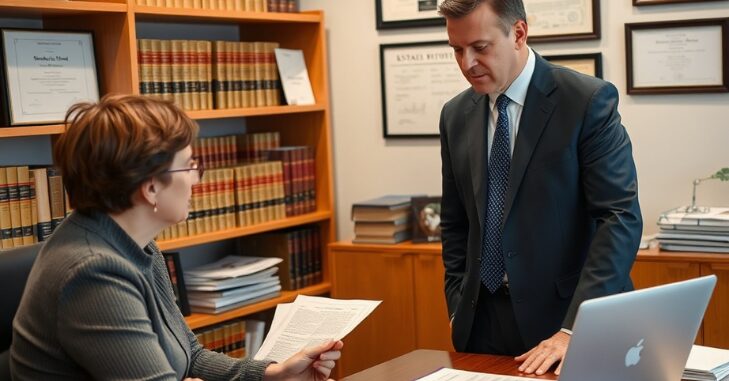
Probate cases can become complicated, particularly if there is no clear will or if the estate is large and complex. Attorneys are trained to navigate these challenges effectively. Common issues include:
- Contested Wills: Disputes among beneficiaries over the validity of a will or asset distribution.
- Debt Claims: Creditors may make claims against the estate, requiring careful legal management.
- Tax Issues: Estate taxes can be complex, especially for high-value estates. Attorneys help minimize liability.
- Executor Mistakes: Executors may unintentionally mishandle assets or fail to comply with legal requirements.
With a attorney, families gain professional guidance to address these issues, ensuring a smoother resolution process.
How to Choose the Right Probate Attorney?

Selecting the right probate attorney is critical for efficient estate administration. Consider these factors:
- Experience and Expertise: Look for attorneys specializing in probate and estate planning with proven success in similar cases.
- Local Knowledge: State-specific probate laws vary, so hiring an attorney familiar with local rules is essential.
- Communication Skills: The attorney should provide clear guidance, updates, and support throughout the process.
- Fee Structure: Understand how fees are charged; flat rate, hourly, or a percentage of the estate, to avoid surprises.
- Client Reviews: Checking testimonials and referrals helps gauge trustworthiness and effectiveness.
Choosing the right attorney reduces stress, saves time, and handles your estate matters correctly.
When to Hire a Probate Attorney

There are multiple scenarios where hiring a probate attorney is beneficial:
- After a Loved One’s Death, to initiate the probate process and manage estate administration.
- During Estate Planning: To draft wills, trusts, and healthcare directives.
- Facing Legal Disputes: To represent your interests in contested wills or complex estates.
- Handling Large or Complex Estates: Estates with multiple assets, real estate, or businesses often require professional guidance.
Early consultation ensures that both living and posthumous estate matters are handled efficiently, reducing stress for families and beneficiaries.
Conclusion
It plays a critical role in ensuring that estate planning and probate processes are handled efficiently and legally. From drafting and executing wills to establishing trusts and resolving disputes, their expertise helps families navigate complex legal matters with confidence. Proper estate planning with a probate attorney not only safeguards your assets but also provides peace of mind, knowing that your wishes will be honored and your loved ones protected.
Whether planning or handling a loved one’s estate, hiring a skilled probate attorney ensures legal security and family peace, helping you make informed estate planning decisions.
Want to know Estate Lawyer: Comprehensive Guide to Wealth Management, Asset Protection, Tax Planning, and Family Legacy Preservation about Check out our Law category.
Frequently Asked Questions (FAQs)
It guides families through the probate process, handling tasks such as validating wills, managing estate assets, paying debts and taxes, and distributing property to beneficiaries.
You should hire a probate attorney when planning your estate, after a loved one passes, or when the estate is complex, contested, or involves multiple assets, such as real estate or businesses.
Yes, it assist in calculating and paying estate taxes, filing necessary tax documents, and minimizing potential liabilities.