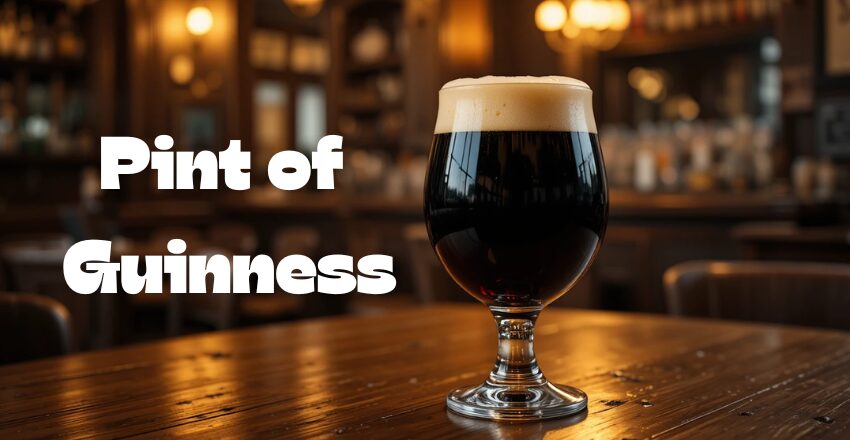
Few beverages in the world carry the same level of recognition, tradition, and ritual as a pint of Guinness. With its deep ruby-black color, creamy head, and smooth texture, this iconic Irish stout has become far more than just a drink—it is a cultural experience. From historic pubs in Dublin to modern bars across the globe, the ritual of pouring and enjoying this stout remains both an art and a science.
This comprehensive guide explores everything you need to know, from the perfect pouring method to flavor characteristics and its lasting cultural importance. It also breaks down the science behind its smooth texture and signature creamy head, helping you understand what sets it apart from other beers. Additionally, you will discover expert tips for serving and pairing, ensuring a richer and more authentic drinking experience.
| Category | Aspect | Details / Explanation | Why It Matters |
| Pouring Technique | Glass Type | Tulip-shaped pint glass | Enhances foam and presentation |
| Pour Angle | 45-degree tilt | Controls foam formation | |
| Two-Part Pour | Fill, settle, then top off | Creates creamy head and signature look | |
| Settling Time | Wait for the cascade effect | Ensures smooth texture | |
| Serving | Temperature | 6–8°C (slightly chilled) | Preserves flavor balance |
| Freshness | Serve immediately after pouring | Maintains quality and taste | |
| Glass Cleanliness | Use clean, dry glass | Prevents foam disruption | |
| Flavor Notes | Aroma | Roasted barley, coffee hints | Enhances sensory experience |
| Taste | Mild bitterness with subtle sweetness | Balanced and approachable | |
| Texture | Smooth, creamy mouthfeel | Signature characteristic | |
| Finish | Clean and slightly dry | Leaves a lasting impression | |
| Cultural Significance | Irish Heritage | Strong connection to Irish pubs and traditions | Represents national identity |
| Social Experience | Shared in gatherings and celebrations | Symbol of connection and camaraderie | |
| Global Presence | Available in 100+ countries | Widely recognized and enjoyed | |
| Brand Legacy | Long history and consistent quality | Builds trust and iconic status |
Pint of Guinness: Origins and Legacy of Guinness

The story begins in 1759 when Arthur Guinness signed a 9,000-year lease at St. James’s Gate Brewery in Dublin. What started as a local brewing operation evolved into one of the most recognizable beer brands in the world.
Over the centuries, Guinness has maintained a strong identity rooted in:
- Irish heritage and craftsmanship
- Consistent brewing techniques
- A commitment to quality and innovation
Today, the drink represents both tradition and global appeal, bridging generations and cultures.
What Makes This Stout Unique
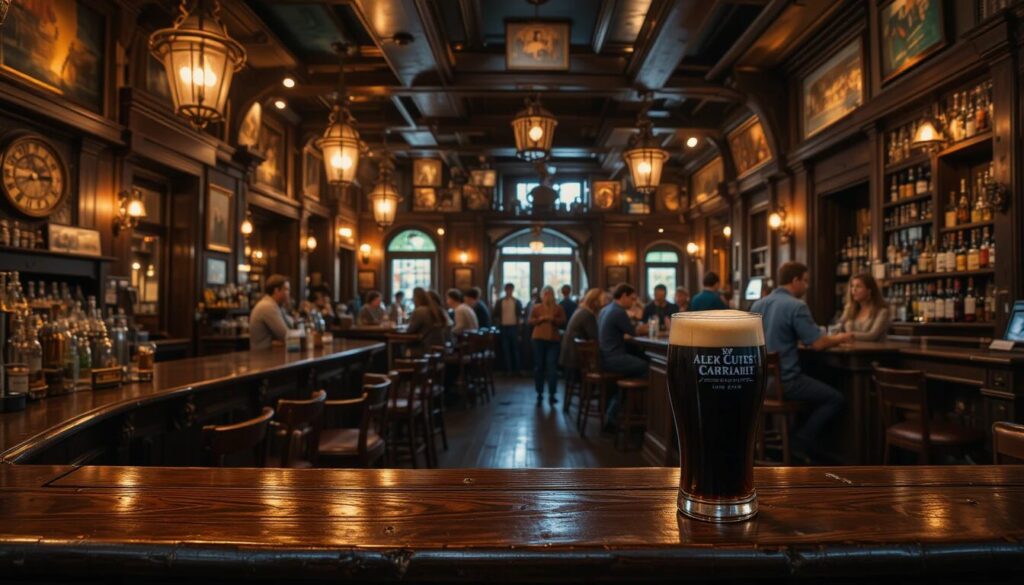
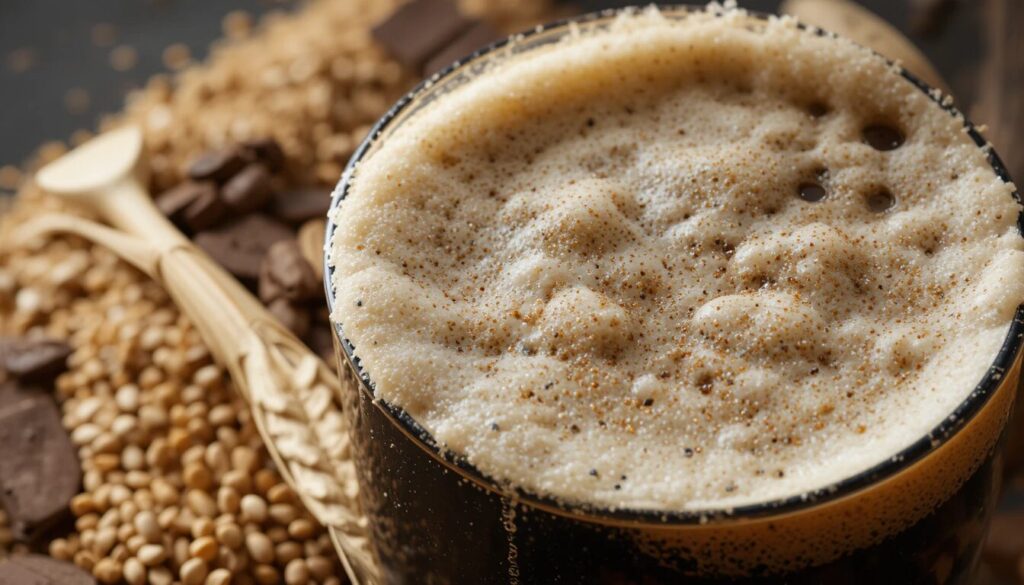
Unlike typical beers, Guinness stands out due to its unique composition and brewing process, with its distinctiveness rooted in a careful combination of ingredients and techniques. Roasted barley gives the beverage its signature dark color and rich, roasted flavor, while nitrogen infusion creates a smoother, creamier texture compared to traditional carbon dioxide.
This is complemented by a balanced bitterness with subtle sweetness, making the taste both approachable and refined. Additionally, its low carbonation results in a softer, more velvety mouthfeel. The famous cascading effect seen when poured is caused by nitrogen bubbles settling, ultimately forming the thick, creamy head that defines the drink.
The Art of Pouring the Perfect Pint
Pouring is not just a functional act—it’s a ritual that enhances the drinking experience. The process is precise and requires patience.
Step-by-Step Pouring Technique
- Use the Right Glass
A tulip-shaped glass is ideal for proper head formation. - Tilt the Glass at 45 Degrees
Begin pouring slowly to prevent excessive foam. - Fill to Three-Quarters
Stop and allow the liquid to settle. - Wait for the Cascade Effect
This step is crucial for achieving the signature look. - Top Off the Glass
Fill the remainder until the head forms a slight dome.
Quick Pouring Guide Table
| Step | Action | Purpose | Result |
| Glass Selection | Use a tulip pint glass | Enhances foam structure | Better presentation |
| Initial Pour | Tilt at 45 degrees | Controls foam formation | Smooth pour |
| Settling | Pause at three-quarters | Allows nitrogen bubbles to stabilize | Creamy texture |
| Final Pour | Fill to the top | Completes the head | Iconic look |
| Serving | Serve immediately | Maintains freshness | Optimal taste experience |
Serving the Right Way
Serving temperature and environment play a major role in how the drink is perceived.
Ideal Serving Conditions
- Temperature: 6–8°C (slightly chilled, not ice cold)
- Glassware: Clean, dry tulip pint glass
- Freshness: Best consumed immediately after pouring
Serving too cold can mute flavors, while serving too warm may alter the balance.
Flavor Profile and Tasting Notes
A pint of Guinness offers a complex yet approachable flavor experience. Despite its dark appearance, it is often lighter than people expect.
Primary Flavor Notes
- Roasted Coffee: Derived from roasted barley
- Dark Chocolate: Subtle sweetness with depth
- Malty Undertones: Balanced grain flavor
- Mild Bitterness: Clean, not overpowering
Mouthfeel and Finish
- Smooth and creamy texture
- Light-bodied despite rich appearance
- Clean, slightly dry finish
This balance makes it appealing to both seasoned beer enthusiasts and newcomers.
Common Misconceptions

There are several myths surrounding Guinness that deserve clarification, as many assumptions about its taste and composition are often misleading. A common belief is that it is extremely heavy, when in reality it often contains fewer calories than many lagers, making it lighter than expected.
Another misconception is that its dark color indicates a strong alcohol content, whereas the alcohol level is actually moderate and comparable to many standard beers. Additionally, some believe it should be served ice cold, but in truth, slight chilling is ideal to preserve its full flavor profile. Understanding these facts not only corrects common misunderstandings but also enhances overall appreciation of the drink.
Guinness in Food and Pairings
This stout pairs exceptionally well with a variety of dishes, enhancing both the drink and the meal.
Best Food Pairings
- Grilled Meats: Complements smoky flavors
- Stews and Pies: Matches rich, hearty dishes
- Cheese: Especially aged or sharp varieties
- Desserts: Chocolate-based desserts enhance sweetness
The drink’s versatility makes it suitable for both casual and fine dining.
Social Connection and Shared Experiences
Guinness has become a powerful symbol of social connection and shared experiences, bringing people together across different cultures and settings.
In Ireland
In Ireland, it is a staple in pubs and social gatherings, where it is closely associated with storytelling, traditional music, and a strong sense of community. Its presence in these environments has made it deeply tied to national identity and cultural heritage.
Global Influence

Beyond Ireland, its reach is truly global, with it widely available in over 100 countries and featured at international events and celebrations. It is also recognized worldwide as a premium stout, appreciated for its quality, consistency, and tradition. The act of sharing a pint of Guinness often symbolizes camaraderie, connection, and a lasting sense of tradition.
Modern Trends and Innovations
While tradition remains central, Guinness has adapted to modern tastes and markets.
Recent Developments
- Introduction of new variations and limited editions
- Expansion into non-alcoholic options
- Sustainable brewing initiatives
These innovations ensure relevance in a changing industry.
Conclusion
The journey of understanding a pint of Guinness goes beyond taste—it involves history, craftsmanship, and culture. From its origins in Dublin to its global presence today, it continues to captivate drinkers with its distinct character.
Mastering the art of pouring, appreciating the flavor profile, and recognizing its cultural value all contribute to a richer experience. Whether enjoyed in a traditional pub or at home, this iconic stout remains a symbol of quality and tradition.
Want to know about Dauphinoise Potatoes Without Cream: A Healthier, Lighter Take on the Classic French Gratin with Creamy, Herb-Infused, Golden-Baked Perfection Check out our Food category.
FAQs
The pause allows nitrogen bubbles to settle, creating the signature creamy head.
Its nitrogen infusion, roasted barley, and smooth texture set it apart.
A tulip pint glass is recommended for the best experience.
It is actually a very dark ruby color due to roasted barley.