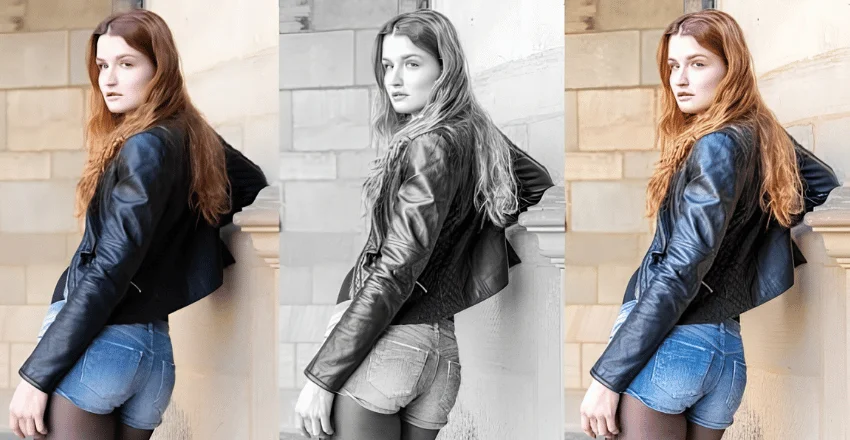
A cropped trench coat combines classic trench details with the practicality of a shorter jacket. It usually finishes around the waist or hips and works especially well during Britain’s changeable transitional seasons. The shorter shape also makes trousers, skirts, dresses, and footwear more visible.
The style has become particularly prominent during 2026, appearing across designer collections and British high-street fashion coverage. Its appeal comes from balancing familiar trench details with fresher proportions. For UK wardrobes, that combination makes it useful beyond a single fashion season.
Quick answer: A cropped trench is a shorter interpretation of the traditional trench, usually ending between the waist and hips. Pair it with high-waisted jeans, tailored trousers, midi skirts, or dresses. Neutral beige remains versatile, while navy, khaki, chocolate, and black offer practical alternatives for British wardrobes.
| Feature | What to Know |
|---|---|
| Typical length | Waist to hip |
| Best seasons | Spring and autumn |
| Useful UK colours | Beige, stone, khaki, navy, black, brown |
| Easy pairings | Jeans, tailored trousers, skirts and dresses |
| Common shapes | Boxy, belted, oversized and structured |
| Useful fabrics | Cotton, gabardine and cotton blends |
| Footwear | Trainers, loafers, ballet flats, boots |
| Main advantage | Lighter proportions than a long trench |
What Is a Cropped Trench Coat?
A cropped trench takes recognisable details from traditional trench outerwear and places them on a shorter silhouette. Depending on the design, these details can include lapels, storm flaps, epaulettes, cuff straps, buttons, or a belt. Some versions preserve nearly every heritage detail, while minimalist designs resemble structured short jackets.
Length makes the biggest visual difference. Traditional trenches often extend towards the knee or below, while cropped versions generally stop near the waist or hip. This changes how the jacket interacts with the rest of an outfit.
The result can feel lighter and less formal than classic long outerwear. It also shows more of your trousers, skirt, or dress. That makes proportion an important part of styling the shorter silhouette.
Why Short Trench Jackets Work So Well in the UK
British weather often creates awkward periods between heavy-coat temperatures and genuinely warm days. A lightweight short trench provides coverage without the bulk of winter outerwear. It’s also easier to carry when temperatures rise later in the day.
Spring is an obvious season for the style, particularly with denim, lightweight knitwear, and cotton trousers. Autumn offers another useful window before heavier wool coats become necessary. On mild summer evenings, an unlined cotton version can work as a light outer layer.
Rain protection depends on the garment, not its appearance. A trench-inspired design is not automatically waterproof or water-resistant. Check the fabric information and care label when weather protection matters.
7 Ways to Style a Cropped Trench Coat
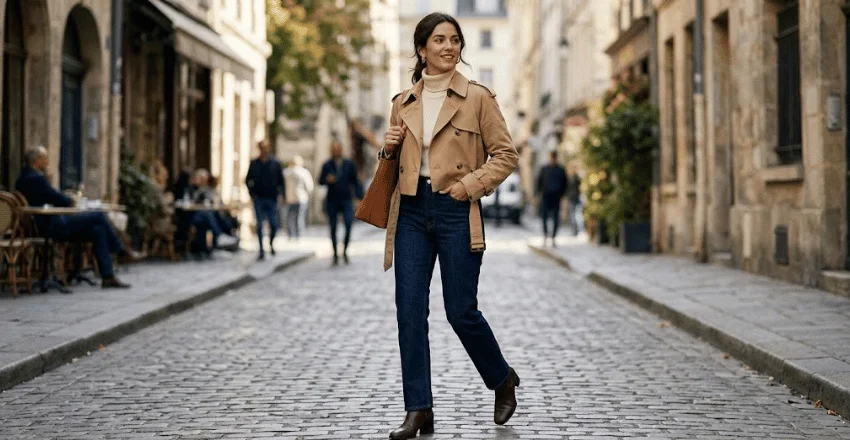
The easiest outfits start with proportion, not complicated colour combinations. Because the jacket ends higher on the body, the lower half becomes more visually prominent. High-rise bottoms and clean vertical lines usually create a more balanced look.
1. Wear It With High-Waisted Jeans
High-waisted jeans create a natural meeting point with a shorter jacket. Straight-leg denim keeps the outfit classic, while wide or barrel-leg jeans provide a more contemporary silhouette. Choose a fitted or lightly tucked top underneath to keep the waistline clear.
Blue denim works naturally with stone, beige, camel, and khaki outerwear. Dark indigo jeans create a smarter finish suitable for lunches or casual workplaces. Pair trainers, loafers, or ballet flats depending on the occasion.
2. Balance It With Wide-Leg Trousers
Wide-leg trousers can provide an effective counterpoint to a compact upper layer. The short hem keeps the full trouser shape visible. This can create a longer-looking lower silhouette without relying on heels.
For work, combine tailored black, charcoal, or navy trousers with a structured neutral jacket. A simple knit or shirt keeps the outfit polished without adding unnecessary detail. Finish with loafers or ankle boots for cooler UK weather.
3. Pair It With a Midi Skirt
A midi skirt introduces movement below the more structured upper half. Straight, pleated, and softly flowing skirts can all work with this combination. Keeping the waist defined helps prevent the two shapes from competing.
Try beige outerwear with black, chocolate, burgundy, or olive skirts during autumn. Lighter cream and pastel combinations suit spring particularly well. Ballet flats offer a softer finish, while boots make the outfit more weather-friendly.
4. Layer It Over a Dress
Short outerwear can work well when you want the shape of a dress to remain visible. A longer coat can dominate an outfit, while a hip-length layer adds definition to the upper body. This works with fitted dresses and looser midi silhouettes.
Keep the jacket and dress within a related colour palette for an understated appearance. Alternatively, use neutral outerwear over a printed dress to reduce visual competition. Knee-high boots can make this combination useful well into autumn.
5. Build a Tonal Neutral Outfit
Tonal dressing makes a statement silhouette easier to wear. Combine shades such as cream, stone, camel, taupe, and chocolate rather than matching every piece exactly. Small texture variations keep the outfit from looking flat.
A stone jacket can sit over an ivory knit and camel trousers. Brown loafers or boots complete the warm palette without introducing a distracting colour. This approach works particularly well for understated office and weekend wardrobes.
6. Keep Weekend Styling Simple
A short trench doesn’t require formal clothes underneath. Wear one over a plain T-shirt, straight jeans, and comfortable trainers for an easy weekend combination. The structured outer layer gives basic pieces a more considered appearance.
On colder days, swap the T-shirt for a lightweight jumper or cardigan. Avoid excessively bulky knitwear if the jacket has narrow sleeves. An oversized cut gives you more room when regular layering is important.
7. Use It for Smart-Casual Workwear
A structured short trench can bridge casual and formal clothing effectively. Pair it with tailored trousers, a fine knit, and leather loafers for a straightforward office outfit. A restrained colour palette helps the jacket look polished rather than trend-led.
Choose a slightly longer hip-length design if your workplace favours conservative dressing. Clean lapels and limited hardware can also make the piece feel smarter. A structured handbag or tote completes the outfit without adding unnecessary detail.
Cropped Versus Classic Trench: Which Length Suits You?
Neither length is universally better because each serves a different wardrobe purpose. The traditional version offers greater leg coverage and often feels more formal. Its shorter counterpart puts more emphasis on trousers, skirts, dresses, and the waist.
| Consideration | Cropped Style | Classic Trench |
|---|---|---|
| Coverage | Lower | Higher |
| Visual effect | Short, defined upper body | Long vertical line |
| Layering | Best with light to medium layers | More coverage over longer layers |
| Casual outfits | Particularly easy | Easy but more traditional |
| Dresses | Shows more of the dress | Provides greater coverage |
| Travel | Usually less bulky | Takes more space |
| Cold weather | Limited protection | Better body coverage |
Petite shoppers may appreciate shorter outerwear because it avoids excessive fabric around the legs. Woman & Home specifically notes that shorter trench proportions can create the impression of added height. Fit still matters more than height alone, so try different hem positions before choosing.
Taller shoppers can use either proportion depending on the desired silhouette. A waist-length design creates stronger contrast between the torso and legs. A hip-length version provides a softer transition and usually offers more layering flexibility.
Choosing the Right Fit
Start by checking where the hem sits rather than focusing only on the labelled size. A jacket that finishes at the natural waist creates a sharper cropped effect. One finishing around the hips feels closer to a conventional everyday jacket.
Next, check the shoulders and sleeves while wearing your usual layers. Boxy designs can have deliberately dropped shoulders, so conventional tailoring rules may not always apply. You should still be able to move your arms comfortably without pulling across the back.
Think about whether you prefer structure or waist definition. Boxy styles look modern and work easily over knitwear. Belted versions create more shape and can suit dresses or tailored outfits particularly well.
The Best Colours for a British Wardrobe
Stone and beige remain closely associated with traditional trench styling. They combine easily with denim, black trousers, navy knitwear, white shirts, and brown accessories. They also work comfortably in both spring and autumn wardrobes.
Khaki provides a slightly more casual alternative while retaining the utility character of trench outerwear. Navy and black can feel smarter and may suit regular commuting or office dressing. Chocolate brown is another useful choice for warmer autumn palettes.
Consider your existing clothes before choosing a statement colour. A jacket worn several times each week needs to coordinate with multiple outfits. Neutral shades usually offer the easiest route to frequent wear.
What Fabric Should You Look For?
Cotton is common because it provides structure while still working in transitional weather. Cotton blends may improve crease resistance or change how the garment drapes. Traditional gabardine offers a tightly woven finish associated strongly with trench coats.
Always check whether a jacket is lined before buying. An unlined piece can feel lighter during spring and early autumn. A lined version may offer greater comfort when temperatures fall.
Care instructions also deserve attention because fabrics vary significantly. Some designs can be machine washed, while others require specialist cleaning. Check the garment label instead of assuming every trench-style jacket needs identical care.
Cropped Trench Coat Mistakes to Avoid
The first common mistake is ignoring the hemline of the clothes underneath. Several competing horizontal lines can make an outfit feel unnecessarily busy. Try to create a clear relationship between the jacket hem and your waistband.
Another mistake is buying too tightly when you plan to layer. A lightweight jacket still needs enough space for a jumper during typical British spring and autumn weather. Test the fit with realistic layers, not just a thin shop-floor top.
Finally, don’t assume every trench-looking jacket is designed for rain. Fabric composition, seams, and finishes determine weather performance. Choose verified water-resistant outerwear when protection from wet conditions is a priority.
A Useful Addition to a Capsule Wardrobe
A short neutral trench can earn its place in a compact wardrobe because it works across different dress codes. The same piece can sit over denim on Saturday and tailored trousers on Monday. That versatility reduces the need for separate casual and smart transitional jackets.
It can also work alongside longer outerwear rather than replacing it. A classic wool coat remains better suited to colder conditions and formal winter outfits. ThinkVista’s guide to wool coats explains how heavier coat construction differs from lightweight transitional options.
Footwear can change an outfit’s character without replacing the jacket. Trainers create an informal finish, while loafers and boots make the same clothes feel smarter. For a softer look, ThinkVista’s guide to red ballet flats offers another footwear direction for cropped trousers and skirts.
Frequently Asked Questions
Are cropped trench coats still in style in 2026?
Yes, shortened trench silhouettes have received substantial fashion coverage throughout 2026. British Vogue, Glamour UK, and Stylist have all highlighted the shape during the year. Current coverage also shows the style continuing into transitional autumn dressing.
What should I wear with a cropped trench coat?
High-waisted jeans, tailored trousers, midi skirts, and dresses are dependable options. The main consideration is balancing the short upper layer with the proportions underneath. Simple footwear such as loafers, trainers, ballet flats, or boots keeps the combination easy to wear.
Are cropped trenches good for petite women?
They can be a useful option because they cover less leg. A waist- or hip-length hem can help create clearer proportions. High-waisted trousers or skirts can strengthen that effect further.
Can you wear one during autumn?
Yes, particularly during mild early-autumn weather. Choose enough room for lightweight knitwear and consider a lined version for cooler days. Once temperatures fall significantly, heavier outerwear will usually provide better warmth.
Should a cropped trench be oversized?
It doesn’t have to be oversized. A relaxed, boxy fit provides a contemporary appearance and makes layering easier. More fitted or belted designs suit shoppers who prefer stronger waist definition.
Is beige the best colour?
Beige is versatile, but it isn’t the only practical choice. Navy, black, khaki, stone, and brown can work just as well, depending on your existing wardrobe. Choose the shade that coordinates with the clothes you already wear most often.
Making the Shorter Trench Work for You
The strongest reason to choose this style is versatility, not trend status alone. Its shorter proportions can refresh familiar jeans, trousers, skirts, and dresses without requiring an entirely new wardrobe. It also provides a useful lightweight layer for Britain’s unpredictable transitional weather.
Focus first on hem position, shoulder comfort, fabric, and room for realistic layers. Then choose a colour that works with several outfits you already own. A carefully selected short trench can become one of the hardest-working jackets in your spring and autumn rotation.